

Listen to this podcast for free in the app: Download for free in the App Store
radio.net
Sleep timer
Save favourites
207 episodes
Pumpkins with Less Sprawl? Choose Mini-Pumpkins.
2026/10/02 | 9 mins.The discussion in today’s podcast focuses on pumpkins. Warren Roberts, Superintendent Emeritus of the UC Davis Arboretum, explains that the pumpkin is botanically a fruit, though it is usually eaten as a vegetable. He says the plant belongs to the genus Cucurbita, which is native to the Americas, especially Mexico and the Andes.
He describes pumpkin types and notes that many large pumpkins are hybrids, often involving Cucurbita maxima. He contrasts these with the smaller typical pumpkin species, Cucurbita pepo. The conversation also covers the origin of jack-o’-lanterns, whose purpose, Roberts says, came from hollowed-out turnips or rutabagas used to carry coals before matches were available (a handy skill to remember when AI takes over).
Short of Garden Room? Grow Mini-Pumpkins!
Admittedly, I got a late start on planting pumpkins this year: in early summer (the 4th of July weekend), and I had only one raised garden bed, 4 feet by 8 feet, still available.
So, I planted three pumpkin seeds that would eventually produce medium sized pumpkins, the “Jack O’ Lantern” variety, a fruit that gets about 15 pounds.
I won’t make that mistake again.
Fast-forward three months, and I have a jungle of green vines from those three seeds that have escaped the confines of the raised bed and are now proceeding to swallow the trunks of my adjacent fruit trees. And it looks like the end-result for Halloween decorations will be only four or five medium sized pumpkins. Not much production, considering the sprawl of the vines. And three of them are still green, making me wonder if they will be nice orange orbs ready for carving at the end of the month.
Fortunately for gardeners, many seed catalogs and nursery seed racks feature pumpkin varieties that mature in about 90 days and don’t do much sprawling: the miniature pumpkins.
There are several advantages to growing pumpkins that weigh less than a pound: quicker maturity, a smaller footprint, and versatility in shapes, color, and uses.
This is a public episode. If you'd like to discuss this with other subscribers or get access to bonus episodes, visit gardenbasics.substack.com/subscribeWildfire Smoke vs. You and Your Garden
2026/09/29 | 58 mins.You know trouble awaits if there is a really orange sunrise on an otherwise clear morning. That usually indicates there’s lots of smoke in the air. In today's newsletter, we talk about the effects of wildfire smoke on you and your garden.
In today’s podcast (above), University of California Wildfire specialist Kevin Marini discusses the wildland-urban interface areas and why they matter for wildfire risk. He explains that many homes in California and other states are built close to wild vegetation, and that it is embers rather than large flames that are often the main cause of home loss.
We then focus on defensible space and the newer “Zone Zero” concept, a 0- to 5-foot area around homes and other structures. We describe how this zone should be kept free of flammable material, including most plants, mulch, cardboard, newspaper, outdoor furniture, gutters filled with debris, and poorly vented areas where embers can enter.
We also cover the 5- to 30-foot zone, where spacing, pruning, and plant maintenance are important. We discuss avoiding fire ladders created by layered vegetation, reducing continuous lines of plants, and using hardscape, rock, or gravel to break up plantings. We note that irrigation and keeping plants hydrated can improve fire resistance.
And, we discuss the best mulches to use in creating a defensible space.
This is a public episode. If you'd like to discuss this with other subscribers or get access to bonus episodes, visit gardenbasics.substack.com/subscribeGrowing Cool Season Vegetables
2026/09/25 | 33 mins.In today’s podcast, we talk with two nurserypeople who know their cool season veggies: Don Shor, owner of Redwood Barn Nursery in Davis, CA; and professional horticultural consultant and Master Gardener Quentyn Young. They offer tips for both the usual and the unusual food crops to grow during the cooler weather. Among their advice:
• Start now. In the mild-winter parts of the country (zones 8 and 9, much of the West Coast, the Southwest and the South), September through November is prime planting time for cool season crops. The summer garden doesn’t have to be finished before you get broccoli and cabbage in the ground.
• Shop your local independent nursery. They stock varieties that are proven for your area, and they know when those plants should go in.
• Beginners should use transplants. Starting from seed takes much longer, and a first-timer gets quicker results from healthy young plants.
This is a public episode. If you'd like to discuss this with other subscribers or get access to bonus episodes, visit gardenbasics.substack.com/subscribeGetting the Soil Ready for Cool Season Plants
2026/09/18 | 15 mins.In today’s podcast, Sacramento County Master Gardener and vegetable expert Gail Pothour explains how to transition garden beds and raised beds from warm-season crops to cool-season plantings. We talk about clearing out tomatoes, peppers, squash, cucumbers, and melons at the end of summer: should you pull out the plant or cut it off at the soil line? It depends. Gail will explain, emphasizing the importance of checking the roots of summer garden plants if they were victims of pests or disease. Gail mentions the advantages of adding compost and lightly working it into the soil rather than doing heavy tilling.
She also discusses winter cover crops such as mustard mix, crimson clover, and soil-builder blends of cover crops, along with how and when to cut them down so they improve the soil.
Here are the main points from the podcast:
* Before you rip out summer crops and jump straight into fall planting, take a beat and deal with your soil first. It makes a real difference.
* When you pull spent tomatoes and squash, check a cross section of the main stem for browning. That’s a sign of fusarium wilt, and it means the disease could spread to your other beds.
* Pull the roots all the way out instead of cutting plants at soil level. Yes, leaving roots to decompose feeds beneficial bacteria, but you need to see the roots to check for root knot nematodes. Gail’s team found nematodes in a bed that never had that problem before.
* Skip granular fertilizers for fall planting. It’s slow release, and cool season crops need something that acts fast. A liquid feed, such as fish emulsion or kelp, works better. And honestly, you might not even need it. Let the plant tell you if it’s hungry through the yellowing leaves.
* Work a couple inches of compost into the bed gently. No tilling needed. Just slide a garden fork in (a broadfork is ideal), rock it a bit, and let the compost filter down naturally so you’re not disturbing the soil structure too much. That helps preserve the existing beneficial soil microbiology.
* Cover crops are a smart move if you’re not planting edibles in every bed this winter. Try a mustard mix (it actually helps suppress nematode populations), crimson clover for nitrogen fixing, or a soil builder blend of oats, vetch, peas and bell beans.
* Timing matters with cover crops. Cut them down while they’re flowering. That’s when the nitrogen benefit to your soil is highest. Let them go to seed and most of that nitrogen gets diverted into the beans or pods instead.
* Fine cover crops like mustard and crimson clover can be left right on the soil as mulch. Woodier ones like bell beans and the soil builder mix need to be chopped up first, or they’ll take forever to break down.
* With a wet winter predicted, mulch is doing double duty. It protects against erosion and it cushions the soil from compaction when heavy rain pounds down on bare dirt.
* Only use disease-free plant material for mulch or compost. If you’re dealing with powdery mildew, fusarium, or nematodes, that spent plant material needs to go in the trash, not back into your growing space.
* Check thick foliage plants like tomatoes for pest eggs before composting them. Leaf-footed bug eggs and similar pests will happily overwinter in your compost pile and come right back to suck on your plants next season.
* Great low-maintenance winter crops for milder zones include lettuce, peas, fava beans, beets, carrots, bok choy, cabbage, kohlrabi, and brussels sprouts.
* Tokyo Bekana Chinese cabbage is worth growing even though it’s technically a brassica. It’s soft and lime green with a thin leaf, so it eats more like lettuce than cabbage.
* Soak pea seeds overnight in tepid water before planting to help speed germination.
* Beet and chard seeds benefit from a shorter (2-4 hours) soaking in water too. That soaking helps break down those seeds’ natural germination inhibitor, speeding the germination process.
* Carrot seeds are notoriously slow and tricky, sometimes taking three weeks to germinate. Cover them lightly with compost, lay a thin row cover or burlap on top, and keep the bed consistently moist. If carrot seeds dry out mid-germination, they die. More info here about growing carrots.
* Soaking carrot seeds for a few hours before planting can speed things up considerably. Some gardeners even rub the seeds on a sieve to rough up the coating a bit, which can help too.
* Don’t skip watering just because it’s cooler out. The soil needs to be moist before you plant, and consistently moist (not soggy) afterward, especially for slow germinators like carrots.
* Winter gardens are lower maintenance than summer ones, but they’re not zero maintenance. Keep an eye out for snails, slugs, earwigs, whiteflies, aphids, cabbage loopers, harlequin bugs, and bagrada bugs. A little monitoring goes a long way.
This is a public episode. If you'd like to discuss this with other subscribers or get access to bonus episodes, visit gardenbasics.substack.com/subscribeCool Season Garden PLANNING Time is Here
2026/09/15 | 17 mins.In today’s podcast, Master Gardener and vegetable expert Gail Pothour talks about cool season greens to grow in your backyard garden during the fall and winter. There’s a human-corrected transcript at the bottom of this newsletter. Among the main points in our conversation:
* Cool season vegetable gardening works especially well in USDA zones 7, 8, 9, and 10; but in colder areas you can grow food nearly year round if you plan for it.
* Late summer into early fall is the time to pull tired summer crops, work in some compost and fertilizer, and get cool season seeds or transplants in the ground while the soil is still warm.
* Most cool season crops mature fast, often in 40 to 60 days, so you can have a real harvest within about two months.
* A cold frame, basically a raised bed with a hinged translucent lid, protects plants from frost and heavy rain, and doubles as an insect barrier when you stretch screen across the open top during the day. A must for colder climates.
* Floating row covers are one of the most useful tools this time of year. It keeps cabbage loopers and imported cabbage worms from laying eggs on brassicas like kale, broccoli, cauliflower and radishes, and it can even help slow down snails and slugs.
* Row covers also help slow-to-germinate seeds like carrots and beets by keeping the soil consistently moist while they sprout.
* Beginners are usually better off buying transplants than starting from seed, since crops like lettuce and carrots can be tricky to germinate from seed.
* When buying transplants, choose smaller, sturdy, healthy looking plants rather than tall or root-bound ones, since cool season crops don’t love having their roots disturbed.
* If you can’t plant right away, move six pack transplants into their own four inch pots with fresh potting soil first. It gives them a chance to build stronger roots before they go in the ground.
* For lettuce, stick with loose leaf types like romaine and butter lettuce rather than Iceberg, which struggles to head up properly in home gardens in the warmer areas of USDA Zone 9. Favorites mentioned include Salanova red butter, Pomegranate Crunch, Lola Rossa and the heirloom Forellenschluss (also known as “speckled trout” or “flashy trout back”).
* Swiss chard, especially “Bright Lights” with its multicolored stems, is easy to grow, good looking enough for a flower bed, and often overwinters into the next summer.
* For kale, go with edible types like Lacinato (dinosaur kale), Tuscan baby leaf, Red Bor, and Red Russian rather than the tough, purely ornamental kales.
* Asian greens like Pak Choi and Bok Choy, including a fast growing All America Selection called Asian Delight, are quick to harvest and tend to have fewer pest problems because they’re in the ground for such a short time.
* Once brassicas bolt in late winter, the flowers are a magnet for bees and other beneficial insects, and the young flower shoots on kale can be cut and cooked just like broccolini.
* For spinach, look for less crinkled varieties like Tyee, which are easier to clean, and treat it as a fast, short lived crop worth succession planting rather than one you let linger in the garden.
This is a public episode. If you'd like to discuss this with other subscribers or get access to bonus episodes, visit gardenbasics.substack.com/subscribe
More Education podcasts
 Motivation Daily by MotiversityEducation, Health & Wellness, Self-Improvement
 Trying Not to CareEducation, Health & Wellness, Mental Health, Personal Journals, Relationships, Self-Improvement, Society & Culture
 Jim Rohn Motivation DailyBusiness, Education, Self-Improvement
 SOLVED with Mark MansonEducation, Self-Improvement
 The Jefferson Fisher PodcastEducation, Relationships, Self-Improvement, Society & Culture
 The Jordan B. Peterson PodcastEducation, Science, Society & Culture
 IMO with Michelle Obama and Craig RobinsonEducation, Self-Improvement, Society & Culture
 anything goes with emma chamberlainEducation, Personal Journals, Self-Improvement, Society & Culture
 How to Be a Better HumanEducation, Self-Improvement
Trending Education podcasts
 NXT Chapter with T.D. JakesEducation, Self-Improvement, Society & Culture
 Frequent Traveller Circle - Essentials - DEUTSCHBusiness, Education, Tutorials
 Dry Creek Wrangler PodcastEducation, Self-Improvement, Society & Culture
 A Changed Mind | Mindset That MattersEducation, Philosophy, Religion & Spirituality, Self-Improvement, Society & Culture, Spirituality
 Coffee Break ItalianCourses, Education, Language Learning
 What In The 20’s?Education, Self-Improvement
 MODERN STOICISMEducation, Self-Improvement
 The Fat Wallet Show from Just One LapBusiness, Education, Investing
 The Slumflower HourEducation, Self-Improvement
 Achieve Your Goals with Hal ElrodBusiness, Education, Self-Improvement
 JIM ROHNEducation, Self-Improvement
 it's cringe, but it's trueEducation, Self-Improvement
 Finding Freedom with Peter CroneEducation, Health & Wellness, Mental Health, Religion & Spirituality, Self-Improvement, Spirituality
 The Other Side NDE (Near Death Experiences)Education, Religion & Spirituality
 Stoic LessonsBusiness, Education, Entrepreneurship
 Exam Study Expert: ace your exams with the science of learningCourses, Education, Education for Kids, Kids & Family
 Motivational Speeches by Coach Pain and MotiversityEducation, Health & Wellness, Mental Health, Self-Improvement
 Certified: The ISACA CISA Audio CourseCourses, Education, Technology
 Zero to Finals Medical Revision PodcastEducation, Health & Wellness, Life Sciences, Medicine, Science
 Side Hustle IdeasEducation, Tutorials
 Easy German: Learn German with native speakers | Deutsch lernen mit MuttersprachlernCourses, Education, Language Learning
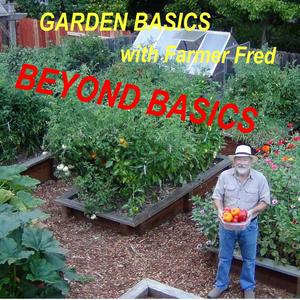
About Beyond the Garden Basics
Picking up where the Garden Basics podcast left off. gardenbasics.substack.com
Podcast websiteListen to Beyond the Garden Basics, Motivation Daily by Motiversity and many other podcasts from around the world with the radio.net app
Get the free radio.net app
- Stations and podcasts to bookmark
- Stream via Wi-Fi or Bluetooth
- Supports Carplay & Android Auto
- Many other app features
Get the free radio.net app
- Stations and podcasts to bookmark
- Stream via Wi-Fi or Bluetooth
- Supports Carplay & Android Auto
- Many other app features

Beyond the Garden Basics
Scan code,
download the app,
start listening.
download the app,
start listening.
Beyond the Garden Basics: Podcasts in Family
 South Africa