

Listen to this podcast for free in the app: Download for free in the App Store
radio.net
Sleep timer
Save favourites
583 episodes
Mend or Move On? Navigating Toxic Relationships with Kate King (567)
2026/09/17 | 54 mins.Episode Summary What makes a relationship truly toxic, and how do you know whether it can be repaired or whether it's time to walk away? In this episode, Eric is joined by licensed professional counselor, board-certified art therapist, and Radiant Life Project founder Kate King, author of Mend or Move On: A Guide to Healing or Leaving Toxic Relationships. Together, they explore toxic dynamics in romantic relationships, families, friendships, and workplaces, including why ADHDers and other neurodivergent people may be especially vulnerable to people-pleasing, fawning, conflict avoidance, and staying too long in painful situations. Kate shares her framework for the seven traps that can keep us stuck, along with practical ways to recognize patterns, communicate needs, build tolerance for difficult conversations, and decide whether a relationship has the mutual willingness needed to mend. Show Notes In this episode, you'll learn: How to distinguish a truly toxic relationship from a relationship that is simply struggling Why your body may recognize a toxic dynamic before your brain fully accepts it How familiar dysfunction can feel safer than unfamiliar change The difference between healthy interdependence and codependency Why people-pleasing, fawning, and conflict avoidance are often rooted in nervous-system safety patterns How to begin practicing "easier hard things" to build tolerance for difficult conversations How to assess whether a relationship, family dynamic, or workplace can be repaired Why mutual willingness is essential if a relationship is going to mend Kate's seven traps of toxic relationships: Buy-in Comfort Powerlessness False ownership Unhealed trauma Avoidance Codependency Guest Kate King is a former licensed professional counselor, board-certified art therapist, award-winning author, radiant life coach, and founder of The Radiant Life Project. She is the author of The Radiant Life Project and Mend or Move On: A Guide to Healing or Leaving Toxic Relationships. Learn more about Kate, her books, and her work at theradiantlifeproject.com. Resources Mentioned The Radiant Life Project: theradiantlifeproject.com ADHD reWired Coaching & Accountability Groups: coachingrewired.com One-on-one ADHD coaching worldwide and therapy in Illinois: adhdrewired.com Adult Study Hall: adhdrewired.com Support ADHD reWired on Patreon: patreon.com/adhdrewired Patreon Update The monthly Patreon Coaching Call, available to Patreon supporters at the $25/month level and above, is held on the last Tuesday of each month. The call has moved from 4:00 p.m. Eastern to 2:00 p.m. Eastern. Chapters 6:01 — Introduction and Guest Bio 7:10 — Kate's ADHD Connection: Growing Up with an ADHD Parent 11:31 — Identifying a Toxic Workplace 15:44 — Mend or Move On: Where to Start 20:54 — Personal and Family Relationships 21:59 — Three Signs of a Truly Toxic Relationship 23:24 — The One Requirement to Mend a Relationship 30:46 — Building the Courage to Leave 33:26 — The Seven Traps of Toxic Relationships: Introduction and False Ownership 36:33 — Buy-in, Comfort, and Powerlessness 37:42 — Unhealed Trauma and Shadow Work 38:53 — Avoidance and Codependency 43:17 — Kate's Relationship and Healing Journey 45:48 — Spotting Gaslighting in a Partnership 48:53 — You Don't Owe Anyone Anything 51:42 — Where to Find Kate's WorkNeurodivergent Pride: Queer Identity, Masking, and Belonging (566)
2026/06/30 | 50 mins.What does it look like to live at the intersection of neurodivergence and queerness? In this annual Neurodivergent Pride panel, a collaboration between ADHD reWired and Shimmer Coaching, host Eric Tivers and panelists Savant, Kristen, Jill, and moderator Chris share deeply personal stories about identity, masking, belonging, and the ongoing work of becoming themselves. The conversation moves through the ways masking shows up across queer and neurodivergent lives, from religious trauma and racial identity to the quiet labor of maintaining relationships while autistic. Panelists explore the overlap between coming out as queer and discovering neurodivergence later in life, noting how one process of unmasking often catalyzes another. They discuss heteronormative and neurotypical expectations, burnout, somatic awareness, the role of alcohol as a masking tool, and the power of finally believing you are inherently good. Whether you're early in your own journey or deep in the unmasking process, this episode offers honest, layered reflections from people who understand the territory. It closes with simple, powerful affirmations: your safe people are out there, there's nothing wrong with you, and being fully yourself is always worth it. Show Notes This special Neurodivergent Pride episode of ADHD reWired brings together a vibrant panel for an honest, intersectional conversation about what it means to live at the crossroads of queerness and neurodivergence. Recorded in collaboration with Shimmer Coaching, the panel features host Eric Tivers alongside Savant, Kristen, Jill, and moderator Chris, each bringing their own layered experiences of ADHD, autism, queerness, race, faith, gender, and self-discovery. The episode opens with each panelist sharing how they relate to both the queer and neurodivergent communities. What immediately emerges is that these identities are not separate tracks running in parallel. They are deeply intertwined. For many on the panel, discovering one identity illuminated the other. Kristen, recently diagnosed as autistic and agender, describes a lifelong journey of masking so thorough that her own mind kept her queerness hidden from her until age 28. Savant, who is Black, gay, semi-verbal, and autistic with Savant syndrome, reflects on the particular pressures of unmasking in Black queer communities and how identity categories can feel like cages even within LGBTQIA+ spaces. Jill connects with Nick Walker's concept of "neuroqueer," a framework for understanding how queer and neurodivergent identities together subvert normative expectations. Eric shares his own evolving journey: coming out as bisexual at 14, stepping back into the closet after a painful family response, and gradually, over the last several years, coming more fully into his queer, polyamorous, and autistic identity. A central theme is masking: the exhausting, sometimes invisible labor of performing neurotypicality and heteronormativity in order to feel safe. The panel explores how masking operates differently depending on context. Race, religion, socioeconomic status, and gender all shape how much masking is required and how dangerous unmasking can feel. Kristen speaks powerfully about growing up with an unnamed sense that something was "wrong" with her, and how evangelical Christianity offered both structure and suppression. Savant describes the specific neurological experience of unmasking, what he calls "the peanut butter feeling," and how musical theater taught him to mask with almost military precision. Jill is candid about the role alcohol and substances have played in her own mask, and how her whiteness, cisness, and socioeconomic privilege have buffered her from some of the costs other panelists face. Eric describes experiencing his first autistic meltdown after years of not recognizing the depth of his own burnout. The conversation also touches on the practical, embodied work of unmasking. Kristen shares a therapist's suggestion to draw your masking self versus your unmasked self, and talks about learning to notice somatic cues: face pain from performative smiling, shallow breathing, tense shoulders. Eric recommends Devon Price's work and describes how 145 consecutive days of meditation have been part of his recovery. Savant offers the insight that his "observer brain" was always turned outward and never inward, and that true unmasking means turning the mirror around. The panel closes with single-sentence affirmations to a younger self or to anyone earlier in their journey: Eric: "Just be completely you and don't worry about your mother." Kristen: "Your safe people are out there. Don't give up." Jill: "There's nothing wrong with you. You're not broken, and you don't need to be fixed." Savant: "Neurodivergence and divinity aren't too far away from each other. Beware." This episode is for anyone who has ever felt like they were too much, not enough, or simply inexplicably different. It's a reminder that unmasking, while messy and sometimes painful, is a path toward authenticity, connection, and a kind of pride that doesn't require anyone's permission. Produced in collaboration with Shimmer Coaching. Key Takeaways Queerness and neurodivergence are deeply intertwined. For many people, discovering one identity catalyzes the discovery of the other. Masking is a survival mechanism, not a character flaw. Unmasking can reveal which relationships are truly safe and affirming. Religious, cultural, racial, and gender expectations can intensify the pressure to mask. Burnout is often a signal that the mask is no longer sustainable. Identity labels can be both liberating and constraining. Privilege shapes the risks and costs of unmasking. Somatic awareness can help people notice where masking lives in the body. Alcohol and substances can sometimes function as masking tools. The concept of "neuroqueer" offers a powerful framework for understanding the overlap between queerness and neurodivergence. There is nothing fundamentally wrong with you. You do not need to be fixed. Keywords / Tags neurodivergent pride, queer identity, ADHD, autism, AuDHD, masking, unmasking, intersectionality, coming out, burnout, religious trauma, neuroqueer, queer community, bisexual, pansexual, non-binary, agender, Black queer experience, somatic awareness, authenticity, belonging, LGBTQIA+, polyamory, alcohol and masking, Devon Price, Nick Walker, Shimmer Coaching, ADHD reWiredUnder-Supported, Under-Stimulated, or Overextended? with Alyece Smith
2026/05/27 | 51 mins.In this episode, Eric sits down with Alyece Smith, business coach, TEDx speaker, autism advocate, and founder of Socially Ausome, for a candid conversation about ADHD, masking, burnout, boundaries, and what it really takes to build systems that fit your brain. Alyece shares how her son's autism diagnosis changed the way she understood neurodivergence, her own ADHD, and the cost of trying to operate like everyone else. After leaving corporate to prioritize her son's care, she built a successful business quickly, but found herself overdelivering, people-pleasing, working late into the night, and burning out despite outward success. Together, Eric and Alyece explore why "inconsistency" is often misunderstood, especially for ADHDers. They talk about under-stimulation, energy management, spark times, decision fatigue, boundaries, and why sustainable follow-through usually requires better support, not more shame. Alyece also introduces her F.L.O.W. First Thinking framework: Find your spark times, Link boring tasks with stimulation, Organize your overflow, and Work your week around your peaks. This conversation is practical, validating, and useful for anyone who has ever felt scattered, overextended, or exhausted from trying to work against their own brain. Summary In this episode, Eric sits down with Alyece Smith — business coach, TEDx speaker, autism mom, and founder of Socially Ausome — for a candid conversation about what it really looks like to build a business with an ADHD brain. Alyece shares how her son's autism diagnosis cracked open her own understanding of neurodivergency, eventually leading her to leave corporate, launch a six-figure business, burn out spectacularly, and rebuild everything on her own terms. She introduces her F.L.O.W. First Thinking framework, breaks down why consistency advice fails ADHDers, and explains why energy management — not time management — is the real key to sustainable success. This one is raw, practical, and deeply validating for any entrepreneur who has ever felt scattered, burnt out, or like they're just not built for the traditional business model. Key Takeaways You're not scattered — you're bored. ADHD brains are chronically under-stimulated. What looks like inconsistency is really a dopamine regulation issue. Energy management beats time management. Work during your brain's natural peak times (your chronotype) — not just whenever the calendar says to. Boundaries are a business strategy. Burnout wasn't from working hard — it was from having no limits with clients or herself. "That's not in our contract, but I'm happy to invoice you" was a turning point. Masking is exhausting and expensive. Pretending to be neurotypical burns energy that could fuel your actual work. Coming out publicly as ADHD was terrifying — and completely freeing. The 48-hour rule for pivots. Before burning something down, sit with it 48 hours. Still fired up? Probably a real signal. Not? Likely boredom or fear. Systems aren't one-size-fits-all. The right system is one built around how your specific brain works — not how productivity gurus say it should. Brain dump daily. A five-minute voice memo clears mental clutter and can be run through AI tools to generate action lists. Passion is your compass. Hyperfocus kicks in hardest around genuine passion. Can't stop thinking about it? That's your signal. Women with ADHD are chronically misdiagnosed. Internalizing symptoms leads to anxiety and depression, and many women aren't diagnosed until perimenopause amplifies everything. Timestamps 0:00 — Introduction & Alyece's background 0:47 — Her son's autism diagnosis and the research rabbit hole that changed everything 3:17 — Leaving corporate in 2022 to prioritize her son's healthcare 3:56 — Going straight into entrepreneurship — and immediately masking all over again 4:16 — Hitting six figures in six months, then hitting a wall 4:35 — Working until 2–3am and the unrealistic client expectations that drove it 5:15 — People-pleasing, poor boundaries, and faking having an assistant 7:14 — What it means to deliver excellence when you're miserable doing it 8:27 — The breaking point: her husband calls her out 9:20 — Becoming a "brick wall of boundaries" and what that sounds like in practice 26:27 — Coming out publicly as ADHD on Facebook — and the flood of "me too" responses 27:47 — Why she now loves being an ADHD keynote speaker 28:20 — Reframing ADHD inconsistency: dopamine, boredom, and under-stimulation 29:37 — The fMRI study: boredom registers as pain in the ADHD brain 30:25 — Why ADHDers start strong and struggle to finish 31:56 — Decision fatigue and the power of a personal uniform 33:04 — Introducing the F.L.O.W. First Thinking framework 36:31 — Applying Flow First in a corporate setting — $300K saved in one quarter 36:54 — The book and what's inside beyond the TEDx talk 37:15 — Where people get the F (Find Your Spark Times) wrong 38:00 — Why changing your schedule feels uncomfortable — and how to push through 39:00 — Harmful advice in the ADHD space: "just be more consistent" 40:29 — How women internalize ADHD symptoms differently — and the misdiagnosis epidemic 41:17 — One small, actionable shift for overwhelmed entrepreneurs 43:14 — The Voice Pen app recommendation 46:21 — Where to find Alyece and get the book The F.L.O.W. Framework: F — Find your spark times (when your brain is most alert and focused) L — Link boring tasks with stimulating ones (temptation bundling) O — Organize your overflow (a "parking lot" system for ideas and distractions) W — Work your week around your peaks (theme your days, not your hours) Resources Mentioned Book: Flow First Thinking by Alyece Smith - Get it on Amazon Website: sociallyausome.com Nonprofit: Caden's Corner / The Awesome Family's Foundation App: Voice Pen — voice memo to AI-generated action list Tool: ManyCam — virtual camera with timer overlay for Zoom calls Connect with Alyece Website: sociallyausome.com Facebook & Instagram: @sociallyausome (Skip the TikTok DMs — she's not in there) ADHD reWired Services Coaching Groups Adult Study Hall 1:1 Therapy & Coaching Additional Resource Mentioned: Neurodivergent + LGBTQ+ Pride Month PanelThe Desire Gap: ADHD, Sex, and Mismatched Libido with Laura Jurgens EP 563
2026/05/05 | 1hEpisode topic: ADHD, sex, desire discrepancy, intimacy, communication, kink, queerness, polyamory, and what happens when libido doesn't match in relationships. Content note: This episode includes candid adult conversation about sex, desire, libido, kink, dating apps, polyamory, and sexual communication. Episode Summary What happens when one partner wants sex more than the other? What if ADHD affects libido in both directions? And what if "just do it" is actually some of the worst advice out there? In this episode, Eric is joined by Laura Jurgens, a dual-certified master relationship and intimacy coach, desire and arousal specialist, and host of The Desire Gap podcast. Laura helps individuals and couples create more authentic sexual connection, including when one or both partners are neurodivergent. Eric and Laura get into a candid, shame-free conversation about ADHD, sex, mismatched libido, desire discrepancies, rejection sensitivity, sensory needs, communication, and why so many people struggle to talk openly about what they actually want. Laura explains why desire differences are incredibly common in long-term relationships, why obligation sex can create resentment and shut down libido, and how ADHD can shape both high and low desire. She also shares how people can begin reconnecting with their bodies, practicing self-attunement, and communicating more clearly with partners. The conversation also explores sex positivity, kink positivity, queer dating, bisexuality, polyamory, ethical non-monogamy, and the importance of honest, embodied consent. This episode is frank, playful, personal, and deeply human. In This Episode, You'll Hear About Why desire discrepancy is common in long-term relationships How ADHD can contribute to both high libido and low libido Why "just do it" is terrible advice for mismatched desire The difference between sex for connection and sex for nervous system regulation How obligation sex can lead to resentment, shutdown, pain, or sexual dysfunction Why a partner can start to feel like a "tool" or "medication" when sex becomes self-regulation The role of dopamine, novelty, and hyperfocus in ADHD sexuality Why some ADHDers struggle to get out of their heads and into their bodies How stress, burnout, and nervous system activation can shut down libido Why self-attunement is a key starting point for intimacy How alexithymia can complicate emotional and sexual communication What "sex positive" and "kink positive" can actually mean Why embodied consent matters more than intellectual "I guess this is fine" consent How kink communities can model explicit communication and negotiation The risks of opening a relationship when the relationship is already disconnected Why polyamory requires a high level of trust, communication, and self-awareness Dating while bisexual, queer, neurodivergent, or exploring new relational identities How to disclose needs and patterns without using ADHD as a "get out of jail free" card Why communicating about withdrawal, burnout, and alone time matters in relationships Notable Moments / Quote Pulls "Obligation sex is the worst possible advice." "If you are trying to manage your partner's feelings with your body, that is a one-way ticket to resentment town." "Sex can become the way an ADHDer gets into their body and out of their head." "Your partner starts feeling like a tool or a medication rather than a person you authentically want to connect with." "Compatibility doesn't mean there are no differences. It means there are differences you can navigate." "Do I love the sex I'm having? That's a question a lot of people aren't even asking themselves." "Practice with the kitten to play with the tiger." "Don't yuck on someone else's yum." "You don't have to be evangelically polyamorous." Guest Bio Laura Jurgens is a dual-certified master relationship and intimacy coach and host of The Desire Gap podcast. She is a desire and arousal specialist who helps individuals and couples discover authentic sexual connection, including when one or both partners are neurodivergent. Her approach helps people release shame, shed relationship anxiety, and build confidence through more effective communication. Her work is play-based, practical, inclusive, trauma-informed, and grounded in current research. Laura is a former university professor with a PhD in biological sciences, with certifications from the Somatica Institute, The Life Coach School, and the NeuroAffective Touch Institute. Learn more about Laura at laurajurgens.com and listen to The Desire Gap podcast. Resources & Links Learn more about Laura Jurgens: laurajurgens.com Listen to Laura's podcast: The Desire Gap Learn more about ADHD reWired Coaching & Accountability Groups: coachingrewired.com Learn more about ADHD reWired: adhdrewired.com Join Adult Study Hall, our virtual coworking community: adultstudyhall.com Support the show on Patreon: patreon.com/adhdrewired Sponsor / Program Mention Registration is open for the next season of ADHD reWired Coaching & Accountability Groups. This is our intensive coaching and accountability program for ADHD adults who want more structure, support, follow-through, and connection. Learn more and start pre-registration at: coachingrewired.comADHD reWired Live Q and A April 2026 ep 562
2026/04/20 | 1h 7 mins.In this live Q&A episode, Eric Tivers and ADHD reWired coaches Brian Entler and Kristin Marts answer listener questions about the overlap between ADHD and autism (AuDHD), and how to better understand your brain through both coaching and therapy. They explore how coaching and therapy serve different—but complementary—roles, especially when it comes to turning insight into action. You'll hear practical examples of how to use each space effectively, whether you're job searching, working through burnout, or trying to follow through on what matters. Eric also breaks down the concept of monotropism—a lesser-known but powerful way to understand autistic attention—and how it differs from ADHD hyperfocus. Later in the episode, the conversation turns to late autism diagnosis, self-identification, and the emotional impact of finally understanding yourself through a new lens. Eric shares openly about his own diagnosis and how it's shaped his relationships, self-compassion, and recovery from burnout. They also tackle questions about: Why autism is often diagnosed earlier than ADHD in children How to advocate for your child when concerns are dismissed Auditory processing challenges and sensory sensitivity The growing conversation around self-diagnosis This is a wide-ranging, honest, and deeply validating conversation about what it means to better understand how your brain works—and what to do with that understanding. KEY TAKEAWAYS Coaching helps with execution and follow-through, while therapy focuses on emotional processing Monotropism explains long-term, topic-based focus often seen in autistic individuals Late autism diagnosis can lead to increased self-compassion and clarity Self-diagnosis can be valid when grounded in thoughtful research and reflection Sensory and auditory processing challenges are often context- and stress-dependent Advocacy is essential when concerns about children are dismissed
More Education podcasts
 How to Be a Better HumanEducation, Self-Improvement
 anything goes with emma chamberlainEducation, Personal Journals, Self-Improvement, Society & Culture
 The Rich Roll PodcastEducation, Health & Wellness, Self-Improvement, Society & Culture
 BEING HER with Margarita NazarenkoEducation, Health & Wellness, Relationships, Sexuality, Society & Culture
 The BossticksBusiness, Education
 The Mel Robbins PodcastEducation, Health & Wellness, Mental Health, Relationships, Self-Improvement, Society & Culture
 The Jefferson Fisher PodcastEducation, Relationships, Self-Improvement, Society & Culture
 IMO with Michelle Obama and Craig RobinsonEducation, Self-Improvement, Society & Culture
 Self ObsessedEducation, Self-Improvement
Trending Education podcasts
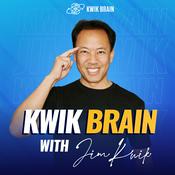 Kwik Brain with Jim KwikBusiness, Education
 The Art of AccomplishmentBusiness, Education, Health & Wellness, Management, Mental Health, Self-Improvement
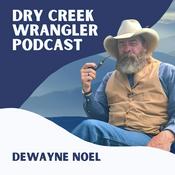 Dry Creek Wrangler PodcastEducation, Self-Improvement, Society & Culture
 Weekly Motivation by Ben Lionel ScottEducation, Self-Improvement
 Learn German by PodcastEducation
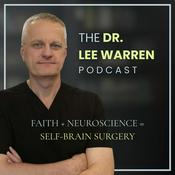 The Dr. Lee Warren PodcastChristianity, Education, Health & Wellness, Life Sciences, Mental Health, Religion & Spirituality, Science, Self-Improvement
 How to Touch GrassEducation, Science, Self-Improvement, Social Sciences, Society & Culture
 Brazilian Portuguese Learning AcceleratorEducation, Language Learning
 Slay Girl SlayEducation, Self-Improvement
 MODERN STOICISMEducation, Self-Improvement
 Certified: The ISACA CISA Audio CourseCourses, Education, Technology
 The Woman & Finance PodcastBusiness, Education, Investing, Self-Improvement
 Bedros Keuilian Podcast ShowEducation, Self-Improvement
 The Rachel Hollis PodcastEducation, Relationships, Religion & Spirituality, Self-Improvement, Society & Culture, Spirituality, Tutorials
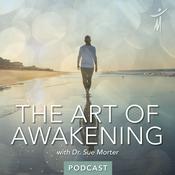 The Art of AwakeningAlternative Health, Education, Health & Wellness, Religion & Spirituality, Self-Improvement, Spirituality
 The Sabrina Zohar ShowEducation, Health & Wellness, Mental Health, Relationships, Self-Improvement, Society & Culture
 Deep Dive: CFA® Level I Prep 2026Courses, Education
 Quality Queen ControlChristianity, Education, Religion & Spirituality, Self-Improvement, Spirituality
 Wayne Dyer PodcastEducation, Philosophy, Religion & Spirituality, Self-Improvement, Society & Culture, Spirituality
About ADHD reWired
The podcast for adults with ADHD. Hear stories, learn strategies, and get great productivity tips as we talk about the real-life struggles and what it takes to achieve success. Host, Eric Tivers, LCSW, is a psychotherapist, coach and entrepreneur (with ADHD) in private practice. Eric interviews a variety of guests. Many are people just like yourself, as well professionals, entrepreneurs, and ADHD experts.
Podcast websiteListen to ADHD reWired, How to Be a Better Human and many other podcasts from around the world with the radio.net app
Get the free radio.net app
- Stations and podcasts to bookmark
- Stream via Wi-Fi or Bluetooth
- Supports Carplay & Android Auto
- Many other app features
Get the free radio.net app
- Stations and podcasts to bookmark
- Stream via Wi-Fi or Bluetooth
- Supports Carplay & Android Auto
- Many other app features
ADHD reWired
Scan code,
download the app,
start listening.
download the app,
start listening.
 South Africa