
Listen to this podcast for free in the app: Download for free in the App Store
radio.net
Sleep timer
Save favourites
483 episodes
Segment: Poverty Is Not Default - Be Intentional About Your Life
2026/10/27 | 10 mins.What if the biggest difference between people who lift themselves out of poverty and those who stay trapped isn't how much education they have or how many degrees they collect, but understanding that life is a choice and when you are struggling you must know what to choose and what you do with your resources, that the world is designed to keep people confused by bombarding them with entertainment and politics from morning to evening while the very things that will help you lift yourself are not on wholesale and you must go search for them, and that the young person who spends their time watching football and debating on unnecessary things while they can't pay their rent is asleep and life will beat them because life is dangerous when you are poor?
In this raw and unfiltered conversation on Konnected Minds, we sit down with someone who reveals why everybody gets a chance to hear something that will lift them from their misery and human beings are not that dumb, why life is fair and God is fair so even though you were born in poverty there will be some condition some experience that will bring some kind of entry into you lifting yourself up, why if you don't have what to eat where to sleep and you're confused about your life you cannot continue to sedate yourself, and why those who succeed in this life are people who have sobriety of heart and are ready to learn like dry sponge because if you don't have that disposition it will be very difficult for you to succeed in life.
He breaks down why when you are in a situation and it's difficult and you're still arguing talking back you'll be there forever, why the world does not argue when you're struggling but anytime they put anything that will lift you out of your bondage then they come out with arguments, why look at the things that we discuss on the radio from morning to evening and tell me which one of them will add value to you if you're struggling, and why the precious things in life are not everywhere and you must go and look for them and that's the sacrifice that you have to make because poverty is by default not righteous.
But he also confronts the brutal reality of what education fails to teach. Why if you see a bare land what would generate on that bare land is not organized fruit but weed because that's the system entropy, why any time you go anywhere that is organized you can be certain that over 90 percent of the time somebody is intentional about it, why when you're a young man and you want to succeed you must be intentional about your life and what are the priorities that you have to pay attention to, and why your finances is key because money is like blood in your system and if your system does not have blood you're gone and in this life almost everything that you're crying for has some link with money.
He reveals why you must have the information how to make money how to organize it and how to make sure that you have enough to live for yourself and for others and for your family, why if you don't have this primary education you don't have education, why intentionally they took all your degrees and they took this thing out so you come out of school and you still don't have a sense of priority of what is critical or the most critical things in life, and why they debate but once you're debating you think you are rehearsing for life when you're not rehearsing for life because you're living life and life is life not college.
But he also exposes why so many people reach 50 years still unaware with their minds on suspension. Why there are many people without any plan for their life who don't know where their life is going because the basic information they need they didn't have it, why they are not in full control of their lives and don't even have self confidence, why one of the feelings you have when you are not confident or when you don't know what you're doing or when you're wasting your destiny is that every time you get up in the morning you don't feel like you are in charge of your life, and why the moment you become aware you start to be intentional about your life with how you spend your time where you go what you eat the people you talk to what you read what you watch because it means that now you have become alive and that's where the consciousness comes in.
He explains why you cannot succeed in this life when you are asleep and many people are asleep, why when you are struggling and watching football you are asleep, why you can't pay your rent and you are watching TV debating on unnecessary things means you are asleep, why life will beat you and life is dangerous when you are poor, and why we are not trivializing school but the truth is that we have to come to that point to tell them to change it because so long as we think it's important and we see the results then they won't change it.
But he also confronts the tragedy of wasted potential in our education system. Why you go to university and some people are spending their life to...Segment: School Wasn't Designed to Prepare You for Life
2026/10/26 | 10 mins.What if the biggest difference between people who build wealth and those who stay poor isn't how much education they have or how many degrees they collect, but understanding that the entire school system was designed not to make you successful but to make you employable, that spending hours watching football and celebrity lifestyles while claiming you don't have data for life changing conversations is the exact programming keeping you trapped, and that the young person who depends on their carpenter father for chop money two years after university graduation has invested years learning something that isn't even designed to prepare them for the life they're now expected to live?
In this raw and unfiltered conversation on Konnected Minds, we sit down with someone who reveals why this whole school thing is not working anymore and we shouldn't deceive ourselves, why you are expecting something from something that is not designed to give, why it's just like finishing primary school and knowing how to pronounce ABCD but they say you're going to face life because you can write ABCD when we are talking about life not basic literacy, and why there are many young minds who have finished university and still don't know what to do with their lives because we expect too much from this particular entity.
He breaks down why school is okay somewhere but if you don't go somewhere you can still give yourself that training for life, why we are putting so much importance on this and when you have it and you cannot succeed then you feel like you're a failure when in the first place you didn't have what it would take you to build this life, why it's just like training a carpenter and then expecting that carpenter to do surgery on you because the training is different, and why we are talking of succeeding in life but school trains you to be able to read academically.
But he also confronts the brutal origins of our education system. Why we didn't design this current education ourselves, why some British and Europeans came and said they have to put us through school to civilize us to think and behave like them but not as the best of them but as their servants, why you are speaking your own language but they say you will not use that language to be taught in that school that they brought, and why today if a young person wants to become a doctor they know they have to go to medical school for between four to seven years but if somebody wants to prepare themselves for life where is the curriculum for that.
He reveals why the answer is personal education, why you don't need that structured system because life does not give you a structured program, why school people when they come out ask questions wanting a template an example mentorship wanting you to give them the exact procedures because that is the regimen they went through, why life is not like that and that's why when you have come out of school you are afraid to take risk because life is full of uncertainties, and why now it's easy because that smartphone that laptop everything is there and you can go to ChatGPT and ask how can I do this and step by step it will give you everything.
But he also exposes what's really stopping people from accessing this information. Why if people are not doing it then what is stopping them is they don't know they are not aware that such information exists, why 90 percent of people when they go on social media watch things that will not add value to them, why you go to TikTok and see oh this lady was in China and 50,000 people watching listening to something that will not benefit them, and why if someone teaching about money and life is on live can they have 10K people watching when the conversation about money can feel very uncomfortable because there's responsibility involved and many people don't want responsibility they want magic.
He explains why the things that will not put the work in their hands are what people consume because they are waiting for something supernatural to happen to them, why if you're watching football you're just enjoying not thinking, why if you're dancing to music you're not thinking, why we shouldn't take that out of life but it should not be the main thing, and why these guys who are using their data and Wi-Fi to watch Neymar they don't have money but they know everything about Neymar they know everything about celebrities their lifestyle their girlfriends but can they spend those same hours to invest in themselves consuming information that will add value to them.
But he also confronts the tragedy of misplaced priorities. Why people will sit down watching football happy happy happy for what when at a certain point in life you need to understand that without money or without certain basic things you need in life you are suffering and those things you can acquire are just around you, why our people are not ready to look for it, why someone spends four years in school and after school their mother who was a...Segment: Successful People Don't Need Degrees
2026/10/25 | 10 mins.What if the biggest difference between people who build real wealth and those who chase degrees isn't how many certificates they collect or how well they speak English, but understanding that the entire education system was designed not to make you successful but to make you employable, that the young lady on a flight to China holding $200,000 without a professor's credentials discovered something universities will never teach you, and that the mechanic who fixes your car the contractor who builds your house and the shoemaker who crafts your shoes are all educated people who never needed a classroom to create value and earn money in a world that worships certificates while the certificate holders struggle to pay their children's school fees? In this raw and unfiltered conversation on Konnected Minds, we sit down with someone who reveals why there's this wholesale information they give us to make you feel you've been given an education to face life when really it's just like somebody going to learn trade, why if you go to the websites of a lot of our investors and see who they are trading and where they are trading them to it's to go and look for a job, why the main import of especially university education is so that you can come out and somebody should give you a job, and why when schools are having anniversaries the people they hail are those who have been employed in multinational positions and government positions more than somebody who has a provision shop somewhere. He breaks down why education doesn't mean you need to sit in the classroom, why that mechanic who has been fixing your car is educated even though he's not a graduate, why the contractor is educated even though he may not have a degree, why we need to let people who are going through that system understand that they are not necessarily going to get a job after and that they should look at business as an alternative or maybe even the main thing, and why this system has been there for so many years to keep people poor especially in Africa. But he also confronts the brutal reality of what certificates actually mean. Why how many professors in this country can confidently say they have $500,000 or $200,000, why he's been going to China and was in a flight with one young lady sitting by him holding $200,000 from her collar going to China, why this whole thing about go to school you have to be educated means you don't have to sit in a classroom before you can be educated, why knowledge you can acquire and he believes in self education not this whole thing about go to school and after school, and why we need to have trade schools here in Africa in Ghana so that if you complete secondary school you can say okay I want to be a shoemaker and go to a vocational school for that. He reveals why the only vocational schools we have here are for cooking and bread making, why we don't have trade schools but we need them if we want to succeed as a country, why everybody wants to go to university and become a lawyer because they can argue and speak good English, why you don't have to speak good English to succeed in life, why you don't need that certificate to succeed in life, and why you need education but you don't need certificates. But he also shares his personal journey of discovering this truth. Why about 15 years ago life was so difficult for him and he decided to study successful people, why he realized those successful people know something the ordinary poor person doesn't know, why he studied why is this guy successful and realized all the successful people have something in common, why they all have a certain skill or a business because in this life there are only two ways to make money through a product or service, why all the successful people in our world have it, and why it wasn't about certificate. He explains why education is different from school, why the one we have is the boxers to go to school where the knowledge is contained, why what you need in life to succeed is education and especially personal education where you teach yourself for life, why you can't become successful in life holistically just because you have an engineering degree, why there are so many engineers who don't understand life, and why critical things in life like character advantage over money family health and influence in society are not taught in any particular course in the university. But he also reveals the sophisticated understanding that separates life education from school education. Why those who didn't sit in any particular classroom to study physics or chemistry may not necessarily be disadvantaged because they still are open to learn the basis you need for life, why there's life education and there is school kind of education, why many of us think that once we have the school kind it means we are equipped enough when he will not place it more than 10% of the information you need, why the school one is what many of us were pushed through and they..Segment: Education Only Made You Broken, Not Confident
2026/10/24 | 13 mins.What if the biggest difference between people who build wealth in Africa and those who spend their lives searching for opportunities abroad isn't how much money they can raise or how many degrees they have, but understanding that your mental programming determines everything you see and everything you miss, that a people who cannot accept their own names their own skin their own language will always struggle to see value in their own land, and that the young man who raised over $10,000 to become a second class citizen changing diapers for four months straight in a foreign country could have used that same money to build something generational right here where 30 million people wake up every morning exchanging money from the trotro driver to the pharmacist while opportunities announce themselves through every closed provision shop and every roadside yam seller?
In this powerful and unfiltered conversation on Konnected Minds, we sit down with someone who reveals why we are only reflecting our thinking anyway and even the chair you chose and the decor you see is based on your mental processes and the training you have had, why our most critical duty as a people is to change the software because you can give people millions but if they don't know what to do they will destroy it, why pouring money into people with wrong mental processes is like pouring water in a leaky basket, and why the duty as an African as a young man is to make sure you don't grow or continue this wrong thinking because we were born into an environment where the thinking makes you so likely to have wrong thinking.
He breaks down why even through our universities when you watch our TV even from the pulpit sometimes when our leaders are talking on TV you know that this information will make people poor, why if you don't give yourself different information then you become just like them, why Africa's problem is that one where a people cannot have right self image so everything else you present will be wrong, and why which people talk so negatively about themselves and are trying to look or become like any other people besides themselves and hardly accept who they are.
But he also confronts the brutal reality of our conditioning. Why look at our names look at our skin color even our language we fight it, why other people are so ready to sell to us because they know that we are ready to buy from them more than from ourselves, why the African who succeeds here will be an African who has worked on self image at a certain level and is proud, why if you take that success from that person they will still be able to build it because those Africans are very different the software is different the primary process data is different, and why they are consistent in their language consistent in their action because they have given themselves different kind of education.
He reveals why if you don't have that kind of education the default setting will work where you wait for the government you wait for God you're looking for visa you're waiting for somebody to give you funding you're looking for political connection, why visa is something that fascinates you and if you marry a white girl it means you're blessed and you worship white Jesus and wearing a suit means you are civilized, why there are so many of our people here who are doing well who you can still trick, and why these things persist because we were born into it.
But he also shares the sophisticated understanding of how identity is destroyed from childhood. Why once you get to primary one they start to teach you English but you were speaking your mother's language so why would you not continue with that and what was wrong with your language, why you go to school and they have to add another English name when there was nothing wrong with your original name, why if you put somebody through these processes and they grow up it's easy for them to lose their identity, and why when they bring the contract that says sign the gold for them it will not be difficult because already you are broken.
He explains why anytime you watch our TV and see any investor do they look like you, why the young man is just reflecting the programming, why if you want to deal with that you must give yourself different kind of education not the one they are giving you in school, why if that education were enough you would not be less self confident but education is supposed to make you see yourself like I can do it no matter what wherever I am, and why that's what it means to become who you are wherever you are.
But he also confronts the tragedy of Africans who cannot see what they have. Why in your village if you're properly trained you will see opportunities and will never see that there's nothing in this village, why you look around and there's big land and you still can't see opportunity until some Chinese man comes and builds a business that employs you and gives you a thousand and you're very happy even though...Top 5 High-Income Skills Every African Youth Must Learn to Make Money Online in 2027
2026/10/23 | 57 mins.How can you make money online in Africa? And do you really need a university degree to build a successful career?
On this episode of Konnected Minds Podcast, Derrick Abaitey sits down with Nigerian entrepreneur and digital skills educator Uzoma Oranebo to discuss his journey from earning ₦15,000 a month at Yaba Market to making his first million through e-commerce.
Uzoma shares how he spent eight years completing a four-year university course, discovered online business during COVID, made his first six figures selling an e-book, and learned how to sell products online.
Chapters
00:00:00 Introduction: From Anger to Opportunity
00:02:59 The Power of Mindset and Environment
00:03:12 The COVID Turning Point: First Ebook Success
00:09:39 From 15K Naira Salary to E-Commerce Success
00:11:58 University Struggles: 8 Years for a 4-Year Degree
00:22:21 Learning E-Commerce: The Mentor Connection
00:33:01 The Reality of Life for Young Nigerians
00:35:15 Top 5 High-Income Skills Breakdown
00:37:50 Copywriting: The Art of Persuasive Selling
00:45:11 Four Business Models Using One Skill
00:50:46 The Mentor Debate: Why Courses Matter
00:55:24 Discipline Over Motivation: Final Wisdom
Guest: Uzoma Oranebo
Web: https://bossuhziconsult.com/
LinkedIn: https://www.linkedin.com/in/uzoma-oranebo-480b24149
━━━━━━━━━━━━━━━━━━━━━━━━━━
🎙️ ABOUT THE HOST
Derrick Abaitey is a Ghanaian entrepreneur, podcast host, and personal development advocate.
IG: https://www.instagram.com/derrick.abaitey
Web: https://www.abaitey.com/
More Business podcasts







Trending Business podcasts





















About Konnected Minds Podcast with Derrick Abaitey
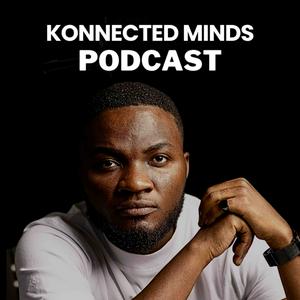
Konnected Minds: Success, Wealth & Mindset. This show helps ambitious people crush limiting beliefs and build unstoppable confidence.
Created and Hosted by Derrick Abaitey
YT: https://youtube.com/@KonnectedMinds?si=s2vkw92aRslgfsV_
IG: https://www.instagram.com/konnectedminds/
TikTok: https://www.tiktok.com/@konnectedminds?_t=8ispP2H1oBC&_r=1
Podcast in Africa | Podcast in Ghana | Podcast in Nigeria | Best Podcast in Nigeria | Africa's best podcast
Podcast websiteListen to Konnected Minds Podcast with Derrick Abaitey, The Diary Of A CEO with Steven Bartlett and many other podcasts from around the world with the radio.net app
Get the free radio.net app
- Stations and podcasts to bookmark
- Stream via Wi-Fi or Bluetooth
- Supports Carplay & Android Auto
- Many other app features
Get the free radio.net app
- Stations and podcasts to bookmark
- Stream via Wi-Fi or Bluetooth
- Supports Carplay & Android Auto
- Many other app features

Konnected Minds Podcast with Derrick Abaitey
Scan code,
download the app,
start listening.
download the app,
start listening.
Konnected Minds Podcast with Derrick Abaitey: Podcasts in Family
 South Africa