

Listen to this podcast for free in the app: Download for free in the App Store
radio.net
Sleep timer
Save favourites
359 episodes
Every Supermarket Crumbed Chicken Ranked: The Shocking Chicken Percentages and the Brands to Buy and Avoid
2026/09/15 | 27 mins.Most Australians buy crumbed chicken from the supermarket regularly. Very few have any idea that some of those products contain as little as 28% actual chicken.
This week Leanne and Susie go through every major supermarket crumbed chicken product on the Australian market, from Woolworths and Coles to Aldi and the big brands like Ingham's and Steggles, and rank them by actual chicken content. The results are genuinely surprising, and not always in the way you would expect.
Then they cover new CSIRO research on protein needs for women in the menopausal transition, and the specific data point that explains why so many women are eating well but still not seeing the results they are looking for.
In this episode:
Every major supermarket crumbed chicken product ranked by percentage of actual chicken: the Woolworths products that come out on top, the Coles products that disappoint, the Aldi chicken schnitzel with only 28% chicken, and why the price you pay does not predict the quality you get
Why Ingham's and Steggles crumbed products consistently fall short, and the one Steggles product Susie does recommend that is almost impossible to find outside of Costco
Why crumbing chicken at home is always the better nutritional choice, what to use instead of standard supermarket breadcrumbs, and Susie's Bergen soy linseed crumb method
The difference between a thin crust and a thick batter schnitzel and why it matters for the chicken percentage you are actually getting
New CSIRO analysis of over 1,300 women in midlife: why most women in the menopausal transition are falling 35 grams short of optimal daily protein intake, what 1.2 grams per kilogram of body weight looks like in practice, and why breakfast and lunch are where women consistently fall short
Why swapping dairy milk for oat milk and Greek yogurt for coconut yogurt can quietly remove 20 or more grams of protein from your day without you noticing
The Alinas Bakehouse Seeded Brown Rice Gluten-Free Crackers reviewed: 52% seeds, five clean ingredients, almost three grams of fiber per serve, and why Susie is giving them five out of five
Is it better to exercise in two 15-minute sessions or one 30-minute session? The research on accumulated daily movement, why the answer changes depending on whether your goal is cardiovascular health or strength building, and why the best routine is the one you will actually do consistently.
See omnystudio.com/listener for privacy information.Your GLP-1 Questions Answered: Do You Have to Take Them Forever, Will You Lose Muscle, and Is Retatrutide Safe in Australia?
2026/09/08 | 33 mins.GLP-1 medications are now so widely used that most people know someone who is on them or have been tempted to try them themselves. But the questions that come with these medications, how long, how much, what happens when you stop, and what about the black market options circulating online, rarely get answered clearly.
This week Leanne and Susie work through the most frequently asked questions they receive about GLP-1 medications, with straight clinical answers rather than pharmaceutical company talking points. They also cover a brand new 2026 study on pork and weight loss that will reassure anyone who has been told they have to give up pork to lose weight.
In this episode:
Do you have to stay on GLP-1 medications forever? Susie's clinical answer, who actually needs long-term use versus who can come off them, and the weaning strategy she uses with clients
Who these medications are and are not appropriate for: the specific thresholds around body weight, waist measurement, and family history that Susie uses before recommending them to a client
How to prevent muscle mass loss on GLP-1 medications, why some degree of muscle loss is unavoidable in a calorie deficit, and why extreme calorie restriction makes this significantly worse
Why rapid weight loss on GLP-1 medications causes the face and neck changes people are calling Ozempic face, and why slower, more gradual weight loss over six to twelve months is the better approach for every reason
How to still enjoy food on these medications: why controlling the dose is the key, and what it should feel like when the medication is working properly
Why retatrutide is not approved in Australia, what the TGA has said, and why the black market version being sold through beauty clinics and informal networks is not safe under any circumstances
A brand new May 2026 study published in the Journal of Nutrition and Diabetes: what happened when habitual pork consumers followed a structured weight loss program, why 5.3% body weight loss is considered clinically significant, and what it means for how you think about pork in a healthy diet
Why lean pork cuts are an underrated budget-friendly protein source, and Leanne's two favourite ways to cook pork that stretch a $20 to $22 cut into ten to twelve meals
The Woolworths Potato Utopia duck fat potatoes reviewed: 91% potato, 2.9% duck fat, 188 milligrams of sodium, and a surprisingly modest nutritional profile for what is essentially an indulgent frozen side dish
Is granola healthy? The honest answer, what to look for on the label, why portion size matters more than the granola itself, and the specific brands Susie reaches for
See omnystudio.com/listener for privacy information.Is the Anti-Inflammatory Diet Actually Real? What the Science Says and the Foods That Genuinely Make a Difference
2026/09/01 | 32 mins.Inflammation is everywhere right now. On Instagram, in wellness spaces, in your DMs. Everything from weight gain to brain fog to sore joints is being blamed on cortisol and chronic inflammation, and a growing number of people are convinced they cannot exercise, eat in a calorie deficit, or live normally because it will make their inflammation worse.
So is any of this true? And is an anti-inflammatory diet actually a real thing?
This week Leanne and Susie take on one of the biggest buzzwords in nutrition right now and give it a proper evidence-based look. They unpack what inflammation actually is and why the way it is being described online is often completely inaccurate, what the research on polyphenols and anthocyanins actually shows, and which foods are genuinely worth prioritising if reducing inflammation is your goal.
This episode is proudly brought to you by Queen Garnet, Australia's antioxidant plum. Leanne and Susie share the research behind Queen Garnet throughout this episode, and you can find the full range at queengarnet.com.
In this episode:
The two types of inflammation and why they are completely different: why acute inflammation from exercise, injury, or illness is a normal and healthy response, and what chronic low-grade inflammation actually looks like and why it develops
Why a single weekend of eating badly, a glass of wine, or a slice of pizza is not putting your body into a chronic inflammatory state, and the specific lifestyle patterns that do contribute to inflammation over time
The misinformation that is actively harming people: why telling someone with PCOS that they cannot exercise or diet because it spikes cortisol and causes inflammation is not only incorrect but counterproductive
Why the Mediterranean dietary pattern consistently outperforms every other approach when it comes to reducing inflammatory markers, and the specific foods driving that result
A review of a randomized, double-blind controlled trial on Queen Garnet plum juice: what happened to blood vessel function and vascular inflammatory markers when participants consumed a high antioxidant juice alongside a high fat meal, even in a single meal occasion
A 12-week randomized controlled trial on anthocyanin-rich foods and adipose tissue function: what researchers found about how polyphenol-rich whole foods may influence metabolic processes in fat tissue and why this matters for metabolic health
What anthocyanins and polyphenols actually are, which foods contain the highest concentrations, and why the bright red, purple, and orange colours in fruits and vegetables are a direct indicator of antioxidant content
The Queen Garnet Antioxidant Plum Nectar reviewed: why it has approximately six times the antioxidant content of blueberries, how to use it, who it is most beneficial for, and where to find it year-round when the fresh fruit is out of season. Available at queengarnet.com, with a 20% saving on subscription
Practical daily habits that genuinely shift inflammatory pathways: extra-virgin olive oil, walnuts, herbs and spices, green tea, brightly coloured vegetables, and the case for seven to ten serves of fresh produce every day.
See omnystudio.com/listener for privacy information.How Much Protein Is Too Much? The 80-Gram Burger That Prompted the Question, Plus New Research on the Best Diet for Menopause
2026/08/26 | 27 mins.Fast food chains are now launching burgers with 80 grams of protein and calling it high performance. But is that actually good for you, or has the protein craze officially gone too far?
This week Leanne and Susie answer the question the fitness industry does not want to talk about: how much protein is actually too much, what your body does with the excess, and why the race to push protein higher in every product on the market is starting to work against the very goals it claims to support.
Then they cover a brand new study published in JAMA Network Open that identified two very different dietary patterns linked to weight management through the menopausal years, including one that most people have never heard of and that contradicts almost everything being said about menopause diets online right now.
In this episode:
The new Grilled High Performance burger range: 80 grams of protein, over 700 calories, and why Leanne thinks even her beloved Grilled has gone too far with this one
How much protein the body can actually utilise in a single meal, why the old 30-gram rule has been updated by recent research, and what happens to protein calories your body does not need
Why small women are often overdoing protein at the expense of good fats, and why the macronutrient ratio matters as much as the total protein number
A brand new 12-year study of over 38,000 women from the Nurses Health Study published in JAMA Network Open: the two dietary patterns most effective at preventing weight gain through the menopausal years, and why their results are surprisingly contradictory
The planetary health diet and the low insulinaemic diet: what they actually are, how differently they approach carbohydrate and fat, and what Susie thinks the contrasting results reveal about the two main metabolic subtypes in perimenopause and menopause
Why there is still no single magic menopause diet, and why working with a dietitian to personalise macronutrient ratios to your own glucose regulation and metabolic response remains the most effective approach
A high-fiber vanilla custard from the South Australian Gourmet Food Company reviewed: who this product is actually for, why inulin is not Leanne's favourite fiber type for digestive health, and why she would reach for kiwi fruit or oats first
How to take collagen and creatine consistently every day without having to force yourself to drink a shake: the coffee method, the yogurt method, the supplement stack, and why the research really does require eight to twelve weeks of daily use before results appear
Why collagen peptides dissolve perfectly well in hot drinks despite what you may have heard, and the simple trick for avoiding clumping
See omnystudio.com/listener for privacy information.Every Milk Ranked by Two Dietitians: Dairy, Oat, Soy, Almond and More, Plus Miranda Kerr's Diet Advice Fact-Checked
2026/08/18 | 34 mins.If you have switched to oat milk because you think it is healthier than dairy, this episode has some important information for you. And if you saw Miranda Kerr's diet advice doing the rounds in the media this week, Leanne and Susie have thoughts.
This week the team does a full ranking of every milk on the market, from full cream dairy to oat, soy, almond, coconut, and the new high-protein dairy milks, covering protein, calcium, fortification, what to check on the label, and who each one is actually best suited to. Then they respond to Miranda Kerr's widely covered restrictive diet recommendations with the specific nutritional corrections the media cycle did not bother to include.
In this episode:
Every milk ranked by protein, calcium, and overall nutritional quality: dairy milk, soy, oat, almond, coconut, high-protein dairy blends, and why the answer to which is healthiest is not what most people assume
Why oat milk is higher in carbohydrate, lower in protein, and often sweetened without people realising, and why the barista varieties from cafes are frequently not calcium-fortified at all
Why soy milk is Leanne's personal choice and her preferred dairy alternative for clients, including the phytoestrogen angle for women in perimenopause and menopause
The one thing to always check when buying any plant milk, why 300 milligrams of calcium per cup is the number to look for, and what most people are missing when they pick up almond milk thinking it is a nutritious swap
Miranda Kerr's diet recommendations fact-checked: no eggs, no kale, no sushi, no salmon, no sourdough, venison for breakfast, and caviar as a protein source. What is actually wrong with this, why it is a concern when mainstream media amplifies it, and why the foods she is avoiding are among the most nutritionally valuable you can eat
Why you can absolutely cook with extra virgin olive oil and always could, and the claim about salmon and mercury that is not supported by the evidence
The new Philadelphia Protein Cream Cheese exposed: why the regular light Philadelphia and the protein version are nutritionally near-identical per 100 grams, and why the only meaningful difference is that the serving size has been increased
How to find leaner and cheaper cuts of meat as beef prices continue to rise, why pork is underrated as a high-protein budget option, why slow cooker cuts are one of the best investments in your weekly food budget, and what to do if the supermarket sells you a fatty cut you cannot use
See omnystudio.com/listener for privacy information.
More Education podcasts
 The Mel Robbins PodcastEducation, Health & Wellness, Mental Health, Relationships, Self-Improvement, Society & Culture
 Motivation Daily by MotiversityEducation, Health & Wellness, Self-Improvement
 The Jordan B. Peterson PodcastEducation, Science, Society & Culture
 How to Be a Better HumanEducation, Self-Improvement
 Begin Again with Davina McCallEducation, Health & Wellness, Mental Health, Self-Improvement, Society & Culture
 The Jefferson Fisher PodcastEducation, Relationships, Self-Improvement, Society & Culture
 anything goes with emma chamberlainEducation, Personal Journals, Self-Improvement, Society & Culture
 SOLVED with Mark MansonEducation, Self-Improvement
 IMO with Michelle Obama and Craig RobinsonEducation, Self-Improvement, Society & Culture
Trending Education podcasts
 Dry Creek Wrangler PodcastEducation, Self-Improvement, Society & Culture
 Didi의 한국문화 Podcast (Korean Podcast)Education, Language Learning
 Clearer, not Louder with Beatrice KamauAlternative Health, Christianity, Education, Health & Wellness, Religion & Spirituality, Self-Improvement
 'n Ma & 'n MikrofoonEducation, Kids & Family, Parenting, Relationships, Self-Improvement, Society & Culture
 Consumer Talk with Wendy KnowlerBusiness, Education, Society & Culture
 All Ears English PodcastBusiness, Education, Language Learning
 The Florence Given ShowEducation, Health & Wellness, Mental Health, Philosophy, Self-Improvement, Society & Culture
 Dr. Micki Pistorius Profiler PodcastEducation, True Crime
 What In The 20’s?Education, Self-Improvement
 The Truth Table with NontokozoEducation, Health & Wellness, Mental Health, Relationships, Society & Culture, Tutorials
 Eine Stunde History - Deutschlandfunk NovaEducation
 Money, Mindset & ManifestationEducation
 Certified: The ISACA CISA Audio CourseCourses, Education, Technology
 Speaking Brazilian Podcast - Conversations in PortugueseEducation, Language Learning
 Law of Attraction Changed My LifeEducation, Kids & Family, Parenting, Religion & Spirituality, Self-Improvement, Spirituality
 6 Minute EnglishEducation, Language Learning
 20 Minute BooksEducation, Self-Improvement
 Conversations with TylerEducation, Society & Culture
 Python for Everybody (py4e.com)Courses, Education, Technology
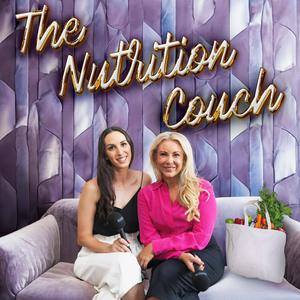
About The Nutrition Couch
Unlock your best health in just 30 minutes a week. Join the thousands of listeners who’ve transformed their lives with The Nutrition Couch, Australia’s top-ranked nutrition podcast. Each Wednesday at 6am AEST, dietitians Leanne Ward and Susie Burrell deliver powerful, bite-sized advice that’s easy to implement and designed to make healthy living simple and enjoyable.
Ready for a healthier you? Subscribe now and start your journey with actionable tips that fit seamlessly into your busy life. Don’t wait—your path to better health begins here with The Nutrition Couch.
Podcast websiteListen to The Nutrition Couch, The Mel Robbins Podcast and many other podcasts from around the world with the radio.net app
Get the free radio.net app
- Stations and podcasts to bookmark
- Stream via Wi-Fi or Bluetooth
- Supports Carplay & Android Auto
- Many other app features
Get the free radio.net app
- Stations and podcasts to bookmark
- Stream via Wi-Fi or Bluetooth
- Supports Carplay & Android Auto
- Many other app features

The Nutrition Couch
Scan code,
download the app,
start listening.
download the app,
start listening.
 South Africa