
Listen to this podcast for free in the app: Download for free in the App Store
radio.net
Sleep timer
Save favourites
209 episodes
Ingmar Gorman┃Beyond the Psychedelic Experience: Trauma Healing, Safety & Lasting Transformation
2026/11/24 | 1h 2 mins.What if psychedelic healing isn't just about the medicine, but about the safety, trust, and human connection that make lasting transformation possible?
In this conversation, Fleet sits down with Ingmar Gorman, PhD, clinical psychologist, psychedelic researcher, and CEO of Fluence, to explore the evolving landscape of psychedelic-assisted psychotherapy and its potential to transform trauma treatment. From groundbreaking research involving MDMA-assisted therapy for PTSD to the growing need for ethical standards and well-trained clinicians, this episode examines both the promise and the complexities of bringing psychedelic therapies into mainstream mental healthcare.
Beyond the science, this conversation explores how psychedelic experiences may help individuals reconnect with emotions, memories, and aspects of themselves that have been inaccessible through years of trauma and dissociation. But meaningful healing requires more than a powerful experience. The therapeutic relationship, emotional safety, personal autonomy, and ongoing integration all play essential roles in supporting lasting change.
Ultimately, this episode invites us to look beyond the excitement surrounding psychedelic medicine and consider what truly makes healing possible: compassionate care, responsible practice, and the willingness to engage in the deeper work of personal transformation.
Memorable Quotes“We're following their lead.” — Ingmar Gorman, PhD
“We don't really know exactly what a patient's experience is going to be like.” — Ingmar Gorman, PhD
“I do think that we need the combination of perspectives rather than just relying on one.” — Ingmar Gorman, PhD
“It's not a mechanistic approach where you take the pill and then it's all gone.” — Ingmar Gorman, PhD
“There's so much that you can do yourself and with your colleagues to actively participate and build the emerging psychedelic therapy space.” — Ingmar Gorman, PhD
Topics DiscussedThe future of psychedelic-assisted psychotherapy and mental healthcare
MDMA-assisted therapy and emerging approaches to PTSD treatment
Trauma, dissociation, and reconnecting with difficult emotions
The importance of patient autonomy, trust, and therapeutic relationships
Ethical considerations, harm reduction, and responsible psychedelic practice
Therapist training, certification, supervision, and professional accountability
Clinical research challenges and the evolving regulatory landscape
Psychedelics, consciousness, and the mechanisms of healing
Preparation, integration, and sustaining long-term transformation
The differences between clinical psychedelic therapy and nonclinical facilitation
Resources MentionedFluence
MDMA-Assisted Psychotherapy Clinical Trials
Multidisciplinary Association for Psychedelic Studies (MAPS)
Lykos Therapeutics
U.S. Food and Drug Administration (FDA)
American Psychological Association (APA)
California Institute of Integral Studies (CIIS)
Naropa University
Psychedelic Therapy and Integration Certificate — Fluence
Psychedelic Harm Reduction and Integration
Ketamine-Assisted Psychotherapy
Psilocybin-Assisted Psychotherapy
5-MeO-DMT
Dan Siegel's Window of Tolerance
Robin Carhart-Harris' Entropic Brain Theory
Gül Dölen's Research on Critical Periods
Oregon Psilocybin Services
About Ingmar Gorman, PhD:
Ingmar Gorman, PhD, is a clinical psychologist, psychedelic researcher, and CEO and lead trainer at Fluence, an organization dedicated to advancing psychedelic psychotherapy education and professional training. He received his doctorate in clinical psychology from the New School for Social Research and completed clinical training at Mount Sinai Beth Israel Hospital, Columbia University, and Bellevue Hospital, followed by an NIH postdoctoral fellowship at New York University.
Dr. Gorman has served as a study therapist and site co-principal investigator in Phase II and Phase III clinical trials investigating MDMA-assisted psychotherapy for PTSD. He has published research on classic psychedelics, ketamine, MDMA, and psychedelic harm reduction and integration, and has co-authored treatment manuals for clinical trials involving psilocybin and 5-MeO-DMT. Through his work at Fluence, he focuses on developing ethical, evidence-informed training programs that help mental health professionals responsibly support individuals navigating psychedelic experiences.
Connect with Ingmar Gorman
Organization: Fluence
Website: https://www.fluencetraining.com
Professional Training: Psychedelic Therapy and Integration Certificate
Connect with Us
Instagram: https://www.instagram.com/heartmindinstitute
Facebook: https://www.facebook.com/heartmindinstitute
Facebook Group: https://www.facebook.com/groups/hmisummitcommunityRichard Schwartz┃No Bad Parts: How Internal Family Systems & Psychedelics Unlock Healing
2026/11/17 | 1h 4 mins.What if the parts of ourselves we struggle with most aren't actually our enemies, but protective parts waiting to be understood, heard, and healed?
In this conversation, Fleet sits down with Richard Schwartz, PhD, founder of Internal Family Systems (IFS) therapy and bestselling author of No Bad Parts, to explore how understanding our inner world can open new pathways to trauma healing, self-compassion, and personal transformation. Richard explains how our inner critics, fears, and protective behaviors often develop in response to difficult experiences, and why lasting healing begins not by fighting these parts, but by approaching them with curiosity, compassion, and understanding.
Together, they explore the emerging intersection of IFS and psychedelic-assisted psychotherapy, including how medicines such as ketamine and MDMA may help individuals access greater self-awareness and connect with the deeper qualities of what IFS calls the Self. Richard shares insights from his work with ketamine-assisted therapy, emphasizing the importance of preparation, gaining permission from protective parts, creating a supportive therapeutic environment, and integrating experiences into everyday life.
Ultimately, this conversation invites us to reconsider our relationship with the parts of ourselves we may have spent years trying to suppress. Through self-leadership, compassionate awareness, and a willingness to listen inward, we can begin to transform old patterns, reconnect with our innate wisdom, and cultivate greater harmony within ourselves and our relationships.
Memorable Quotes
“They're all valuable. There's no bad parts.” — Richard Schwartz
“It's the natural state of the mind to be multiple.” — Richard Schwartz
“The goal isn't then to put Humpty Dumpty back together into one. It's to help them all harmonize inside.” — Richard Schwartz
“The separation isn't just to witness them, it's to become a very compassionate, active healer of them.” — Richard Schwartz
“Self doesn't disappear. It's still there.” — Richard Schwartz
Topics Discussed
The origins of Internal Family Systems (IFS) and the idea that there are no bad parts
Understanding exiles, managers, and firefighters and their protective roles
How trauma shapes our inner world and influences our behaviors
Accessing the Self through compassion, curiosity, and self-leadership
The intersection of IFS and psychedelic-assisted psychotherapy
Ketamine, MDMA, and the potential for deeper therapeutic exploration
The importance of preparation, permission, and emotional safety
Psychedelic integration and building lasting internal harmony
The role of therapists and facilitators in creating supportive healing environments
Moving beyond witnessing our emotions to actively healing wounded parts
Resources Mentioned
No Bad Parts — Richard Schwartz, PhD
Internal Family Systems (IFS)
Center for Self-Leadership
Harvard Medical School
Multidisciplinary Association for Psychedelic Studies (MAPS)
Michael Mithoefer and Annie Mithoefer
Sunny Strasburg
Ketamine-Assisted Psychotherapy
MDMA-Assisted Psychotherapy
David Starfire
Internal Family Systems and Self-Leadership
John Welwood's work on spiritual bypassing
Richard Schwartz, PhD, is a systemic family therapist, academic, and founder of Internal Family Systems (IFS), an evidence-based psychotherapy model that offers a compassionate, non-pathologizing approach to understanding and healing the different parts of ourselves.
Developed through his clinical work with clients, IFS has become a widely used therapeutic approach, particularly in trauma treatment, and has been applied to individuals, couples, families, organizations, and educational settings.
Dr. Schwartz has served on the faculty of the Department of Psychiatry at Harvard Medical School and founded the Center for Self-Leadership, which provides professional and public training in IFS. He has published more than 50 articles on the model and is the bestselling author of No Bad Parts. His work continues to influence the fields of psychotherapy, trauma healing, self-leadership, and the integration of IFS with psychedelic-assisted therapy.
Connect with Richard Schwartz
Internal Family Systems: https://ifs-institute.com
Book: No Bad Parts
Connect with Us
Instagram: https://www.instagram.com/heartmindinstitute
Facebook: https://www.facebook.com/heartmindinstitute
Facebook Group: https://www.facebook.com/groups/hmisummitcommunityOcean Robbins┃Beyond Longevity: Why Love, Purpose & Connection Are the Keys to Living Well
2026/11/08 | 1h 1 mins.What if the true purpose of health isn't simply to live longer, but to live more fully, love more deeply, and make a meaningful difference with the time we have?
In this conversation, Fleet sits down with Ocean Robbins, bestselling author and co-founder of Food Revolution Network, to explore the connections between grief, resilience, healthy living, and the deeper purpose of our lives. Reflecting on the loss of his father, John Robbins, Ocean offers a personal perspective on mortality, acceptance, and how life's most difficult experiences can reshape our understanding of what truly matters.
Moving beyond traditional conversations about nutrition and longevity, this episode explores why lasting well-being requires more than healthy habits alone. From the importance of self-compassion and meaningful relationships to the power of community, emotional resilience, and living with an open heart, true health emerges as something that encompasses the body, mind, and spirit.
Ultimately, this conversation is an invitation to move beyond fear, perfectionism, and the constant pursuit of more, and instead embrace a life guided by love, purpose, connection, and the courage to make a difference.
Memorable Quotes
“The purpose of health isn't so much to preserve eternal life as to give our gifts, to make our contributions.” — Ocean Robbins
“I'd rather not live with guilt. I'd rather take action.” — Ocean Robbins
“An open heart meets the world and is willing to grieve. Is willing to take action. Is willing to bear witness and keeps on loving.” — Ocean Robbins
“Pain pushes and vision pulls.” — Ocean Robbins
“You don't have to sign a purity pact.” — Ocean Robbins
“Among friends, sorrow shared is halved, and joy shared is doubled.” — Ocean Robbins, sharing a familiar saying
Topics Discussed
Grief, loss, and finding meaning after the death of a loved one
Mortality, purpose, and the legacy we leave behind
Radical responsibility, acceptance, and taking meaningful action
Emotional resilience and keeping an open heart through suffering
Nutrition, lifestyle medicine, and sustainable healthy habits
Moving beyond perfectionism toward self-compassion and nourishment
The importance of love, pleasure, and connection in well-being
Community, relationships, and healthy aging
Body awareness, breathing, and daily mindfulness practices
Resources Mentioned
Diet for a New America — John Robbins
31-Day Food Revolution — Ocean Robbins
Real Superfoods — Ocean Robbins
Powered by Plants — Ocean Robbins
Food Revolution Network
Whole Life Club
Food Revolution Network Coaching Certificate
Eating Our Way to Happiness — Ocean Robbins' TEDx Talk
The Serenity Prayer
Joanna Macy's work
Harvard Study of Adult Development
Internal Family Systems (IFS)
Lifestyle Medicine
About Ocean Robbins
Ocean Robbins is the co-founder and CEO of Food Revolution Network, a global community of more than one million members dedicated to healthy, ethical, and sustainable living. A bestselling author, speaker, and food systems advocate, Ocean has spent decades inspiring individuals and communities to make food choices that support personal health and planetary well-being.
At age 16, he founded Youth for Environmental Sanity (YES!), which he directed for 20 years, facilitating leadership development programs for young changemakers from 65 nations. He has spoken in person to more than 250,000 people and helped organize online events reaching millions worldwide. Ocean is the author of 31-Day Food Revolution, Real Superfoods, and Powered by Plants, and his TEDx talk, Eating Our Way to Happiness, has been viewed more than one million times.
Connect with Ocean Robbins
Website: https://foodrevolution.org
Organization: Food Revolution Network
Membership: Whole Life Club
Books: 31-Day Food Revolution, Real Superfoods, Powered by Plants
Connect with Us
Instagram: https://www.instagram.com/heartmindinstitute
Facebook: https://www.facebook.com/heartmindinstitute
Facebook Group: https://www.facebook.com/groups/hmisummitcommunityRon Siegel┃From Pain to Presence: Mindfulness, Psychedelics & the Path to Lasting Healing
2026/11/03 | 1h 22 mins.What if healing begins not by escaping what’s painful, but by learning how to turn toward it with greater safety, curiosity, and compassion?
In this conversation, Fleet sits down with psychologist, author, and longtime mindfulness teacher Ronald Siegel, PsyD, to explore the connections between trauma, psychotherapy, mindfulness, self-compassion, and psychedelic-assisted healing. Ron explains why many forms of psychological suffering involve experiences we’ve learned to avoid—and how healing can begin when we develop enough safety to turn toward them differently.
Fleet and Ron explore how ketamine and MDMA may soften psychological defenses, the role self-compassion and common humanity can play in healing shame, and why mindfulness may help prepare us to meet difficult experiences with greater openness. They also discuss the importance of set, setting, therapeutic trust, and the potential for profound experiences to become overwhelming without adequate support. Ultimately, Ron emphasizes that a breakthrough is only the beginning. Lasting transformation depends on integration—bringing what we’ve learned back into our relationships, choices, practices, and everyday lives.
Memorable Quotes
“As we become okay with being nuts, we’re much less crazy.” — Ronald Siegel, PsyD
“Shame is perhaps one of the most universal human emotions.” — Ronald Siegel, PsyD
“Trust, let go, and open to whatever happens.” — Bill Richards, as shared by Ronald Siegel, PsyD
“How do we live the truths that maybe we glimpsed during the psychedelic experience?” — Ronald Siegel, PsyD
Topics Discussed
Trauma, avoidance, and psychological suffering
Mindfulness-oriented psychotherapy
Attachment and emotional resilience
Self-compassion, shame, and common humanity
Ketamine-assisted psychotherapy
MDMA-assisted psychotherapy
Psychedelic experiences and ego dissolution
Mindfulness as psychedelic preparation
Set, setting, and therapeutic trust
Psychedelic integration and grounding
Community support after profound experiences
Psychedelics, pain, craving, and addiction
Resources Mentioned
The Extraordinary Gift of Being Ordinary — Ronald Siegel, PsyD
The Mindfulness Solution — Ronald Siegel, PsyD
Sitting Together
Back Sense
After the Ecstasy, the Laundry — Jack Kornfield
Mindfulness-Based Stress Reduction (MBSR)
Mindful Self-Compassion
Internal Family Systems (IFS)
Dharma K
Ketamine-Assisted Psychotherapy
MDMA-Assisted Psychotherapy
ACER Integration
Connect with Ronald Siegel
Books: The Extraordinary Gift of Being Ordinary, The Mindfulness Solution, Sitting Together, Back Sense
Institute: Institute for Meditation and Psychotherapy
Teaching: Harvard Medical School Conference on Meditation and Psychotherapy
Connect with Us
Instagram:
https://www.instagram.com/heartmindinstitute
Facebook:
https://www.facebook.com/heartmindinstitute
Facebook Group:
https://www.facebook.com/groups/hmisummitcommunityBrian Tierney┃Rewilding the Nervous System: Stilless, Embodiment & the Return of Your Animal Soul
2026/10/27 | 1h 13 mins.What if healing isn't always about calming the nervous system, but sometimes requires bringing frozen parts of ourselves back to life?
In this conversation, Fleet sits down with Brian Tierney, PhD, somatic psychologist, educator, and host of The Boundless Body podcast, to explore the connection between trauma, the nervous system, and embodied healing. From anxiety and emotional repression to deeply ingrained patterns of tension and shutdown, they examine how unresolved experiences can shape our relationship with our bodies and limit our capacity to feel fully alive.
Challenging the idea that nervous system healing is always about slowing down and creating safety, this conversation explores the importance of emotional expression, healthy aggression, movement, and reconnecting with our natural instincts. Through the concept of “rewilding the nervous system,” we discover a different perspective on trauma recovery, one that recognizes the importance of both regulation and expression, and the possibility of reclaiming vitality, boundaries, and personal sovereignty.
Ultimately, healing may not be about eliminating discomfort or maintaining a constant state of calm, but about developing the capacity to experience life more fully, reconnect with our body's innate intelligence, and move beyond the patterns that have kept us stuck.
Memorable Quotes
“We can't just assume that embodiment is going to be safe for everybody.” — Brian Tierney, PhD
“Too much safety is unsafe.” — Brian Tierney, PhD
“We are animals. We are domesticated animals.” — Brian Tierney, PhD
“We just hold the animal intensities in there.” — Brian Tierney, PhD
“The warrior draws lines.” — Brian Tierney, PhD
Resources Mentioned
Visionary Somatics — Brian Tierney, PhD
The Boundless Body podcast
The Somatic Doctor
California Institute of Integral Studies (CIIS)
Wilhelm Reich
Robert Moore's King, Warrior, Magician, Lover
Dan Siegel's interpersonal neurobiology work
Peter Levine and Somatic Experiencing
EMDR
Drama therapy
Structural Integration / Rolfing
Craniosacral therapy / Stillness Touch
Mankind Project
Women Within
Brian Tierney, PhD, is a somatic psychologist, adjunct professor at the California Institute of Integral Studies, and international trainer of somatic clinicians. Since 1999, his work has included diverse populations ranging from cancer patients and participants in drama therapy groups to men and boys engaged in rites-of-passage work.His training spans somatic and therapeutic modalities including structural integration, EMDR, biodynamic craniosacral therapy, advanced breathing facilitation, yoga, clinical hypnosis, transformational dance, and drama therapy. He also hosts The Boundless Body podcast and is the author of the forthcoming Visionary Somatics, an exploration of trauma neuroscience with a particular focus on the cerebellum.
Connect with Brian Tierney
Instagram: The Somatic Doctor
Podcast: The Boundless Body
Upcoming Book: Visionary Somatics
Email: somaticdoctor@gmail.com
Connect with Us
Instagram: https://www.instagram.com/heartmindinstitute
Facebook: https://www.facebook.com/heartmindinstitute
Facebook Group: https://www.facebook.com/groups/hmisummitcommunity
More Education podcasts






Trending Education podcasts















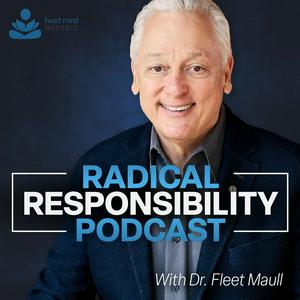
About Radical Responsibility Podcast
The Radical Responsibility Podcast, hosted by Dr. Fleet Maull, explores personal growth, emotional healing, and transformation through evidence-based insights into mental health, mindfulness, and innovative wellness practices. Each episode provides practical tools to help listeners break through emotional barriers, manage stress, and cultivate inner peace. Covering topics from psychedelics to global healing, the podcast blends research-backed methods with compassionate guidance for those seeking deeper self-awareness and lasting, positive change.
Podcast websiteListen to Radical Responsibility Podcast, Motivation Daily by Motiversity and many other podcasts from around the world with the radio.net app
Get the free radio.net app
- Stations and podcasts to bookmark
- Stream via Wi-Fi or Bluetooth
- Supports Carplay & Android Auto
- Many other app features

Radical Responsibility Podcast: Podcasts in Family
 South Africa