

Listen to this podcast for free in the app: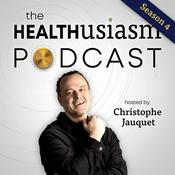 Download for free in the App Store
radio.net
Sleep timer
Save favourites
86 episodes
Did Family Health Tech Fail? No, Health Is Becoming a Family Affair Again: Luffu, MetLife Korea & Colruyt (#84)
2026/10/01 | 22 mins.In January 2025, Panasonic presented Umi at CES: an AI health coach for the whole family. It never went on sale. Panasonic called it "discontinued before commercialization" and closed its Panasonic Well unit. So the idea failed? Not quite. In 2026, a Belgian supermarket, a Korean insurer, a hospital group, several health apps, national governments and even the founders of Fitbit are building around exactly the same idea.
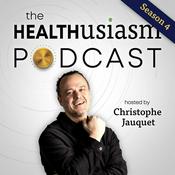
In this weekly update of The Healthusiasm Podcast, Christophe Jauquet and his AI co-host Thalia Muses unpack why health is becoming a family affair again, and what it means for consumer-driven health and for every organisation building health products and services.
The old principle: "the family is the unit of care." Family medicine always knew it. Digital health forgot it: one login, one health record, one app, one wrist. But in real life, health was never managed by one person alone.
Three levels of family health:
Level 1 – One account for the family: the GoodRx family plan (around $25/month, you + up to four others, pets included) and the Rush family membership in Chicago (around $30/month: virtual urgent care, doctor matching, medicines delivered at home).
Level 2 – Shared intelligence: Luffu, the new company from Fitbit founders James Park and Eric Friedman, uses AI to learn what is normal for each family member and flag changes, now with a screenless bracelet. Also: Lifelong (Australia), BeMiVe (Brazil), Meituan's AI family health manager (China) and India's Aarogya Setu, relaunched for "individuals and families".
Level 3 – Shared solutions: MetLife Korea's treatment support pack (nurse escort, driver, carer, childcare, a hotel near the hospital, even a pet sitter), usable by partners, children and parents on both sides. NH NongHyup tests nurse calls to older customers with updates shared with their children.
The twist from Belgium: Colruyt Group and its Jims gyms launched Move and Save. If a household of up to three completes three gym sessions a week, together, the family earns €5 for fruit and vegetables. The family is not only a problem to organise. It becomes part of the solution.
Why it matters: 63 million Americans care for a family member, spending around 27 hours a week organising care, and most of that information lives in one person's head. Health is being redesigned from the outside in, around how people actually live. Thalia's summary: from "me and my health" to "us and our health". Standalone family apps will struggle alone; the winners will connect to an insurer, retailer, employer, hospital or public health system, as Chunyu Doctor's home-care partnership in China shows.
Privacy by design: together, but not merged. Family health should connect people, not remove their independence.
Related episodes: #78 (screenless wearables), #80 (retail and health), #81 (MetLife Korea, GoodRx), #83 (The Health Shifts 2026).
Chapters
00:00 Panasonic's Umi: the AI family health coach that never launched
01:21 Welcome to the weekly update of The Healthusiasm Podcast
01:57 Health is becoming a family affair again
02:14 "The family is the unit of care" vs one-person health tech
03:47 Who really manages health in a family?
04:48 Why Panasonic stepped back, and why the idea didn't die
05:32 Samsung at CES: healthcare beyond the individual
06:25 Three levels of family health across industries
07:10 Level 1 – one account: GoodRx family plan & Rush family membership
08:22 Level 2 – from shared plans to shared intelligence
08:36 Luffu: Fitbit's founders track the health of the family
10:49 63 million family caregivers and the mental load
11:55 Lifelong, BeMiVe, Meituan & India's Aarogya Setu
13:43 Level 3 – shared solutions: MetLife Korea's treatment support pack
15:22 NH NongHyup: nurse calls shared with the children
15:37 Privacy: together, but not merged
16:20 Colruyt & Jims Move and Save: exercise together, get paid in vegetables
18:22 The family as part of the health solution
18:52 Family health version 2: why now?
19:56 Consumer-driven health: redesigned from the outside in
20:45 From "me and my health" to "us and our health"
20:56 Why standalone family health apps need partners
21:54 Chunyu Doctor & the family health ecosystem
22:27 It's a Healthusiasm world
Send us your ideas, suggestions or questions.
Subscribe to Healthusiasm newsletter:
https://www.healthusiasm.com
-- -- --
Book Christophe Jauquet for keynotes:
www.christophejauquet.comThe Health Shifts 2026: The New Front Door of Health – A Preview of My Year-End Keynote (#83)
2026/09/25 | 24 mins.A bathroom scale that takes a heart reading. A bank that trains its staff to notice early signs of dementia. A hospital check-up in southern China sold as a five-day holiday. None of these stories starts with a doctor. None starts with a Google search either. So if health no longer starts at the doctor, where does it start?
This episode is a preview of The Health Shifts 2026: The New Front Door of Health, Christophe Jauquet's year-end keynote show. For a long time health had two front doors: your doctor and Google. Today there are many more, and most of them sit outside healthcare. The reason is Healthusiasm: people have never been this interested in being and becoming healthier, so everyday choices become health choices, and companies that never planned to play a role in health now do. This is consumer-driven health, and health reshaped from the outside in.
The nine new front doors of health
1. The home – the Withings scale that takes a six-lead ECG before breakfast; Samsung earbuds cleared in the US as over-the-counter hearing aids; a depression headset used at home.
2. The household – the GoodRx family plan (grandma and the dog on one plan); a Korean insurer offering childcare and pet-sitting after a serious diagnosis; Amazon family prescriptions.
3. The shop – KIWI in Norway makes lean minced meat cheaper, healthier sales up around 35%; Colruyt rewards gym visits with fruit and vegetable credits; a supermarket rebuilt inside a Hamburg rehab clinic.
4. The pharmacy – unbundled: Sugi pharmacies inside Japanese supercentres, Eucerin sold directly on Amazon in Germany, pharmacists taking a larger clinical role in England.
5. The device and the AI health coach – Apple blood tests and a Health Age, Google × Abbott glucose coaching, Oura moving into chronic care. Value moves from tracking to interpretation to action.
6. The everyday app – Meituan's AI family health manager (13 million monthly users), Ant Group's AI doctor avatars, free doctor visits for delivery riders in Singapore.
7. The bank and the insurer – NH NongHyup's dementia-friendly branches and AI voice checks in Korea; a Thai insurer × Decathlon lowering premiums as verified activity rises. Trust is the door handle.
8. Longevity – MORROW's preventive-health centre in a Singapore mall, biological age at Fitness First, a longevity authority in Dubai.
9. The journey – a $200 million health centre in a New Jersey train station, healthy options on every Abu Dhabi menu, post-birth hotel stays in Japan.
Why it matters
This is not one story of outsiders moving into health. Around GLP-1 medicines such as Ozempic and Wegovy, healthcare makes the medicine and other industries build the services around it (Hypera, Brazilian pharmacies, Nestlé's GLP-1 Journey label). The new front doors are where healthcare and everyday life meet. Healthcare is not being replaced; it is becoming connected to the rest of life.
Two questions to take away
In healthcare: through which doors will my patients arrive, and what data and expectations will they bring?
Outside healthcare: are we already playing a role in our customers' health, and can we make it more useful?
Book the show
The Health Shifts 2026 is a year-end show with trends, strange and absurd innovations, and The Health Shifts Awards. Only available from November to February: close the year with it, or kick off the next one. More at christophejauquet.com.
Related episodes: #68 (GLP-1 is more than pharma) and #82 (the pharmacy is being unbundled).
Chapters
00:00 A scale, a bank and a holiday: where does health start?
01:25 The Health Shifts 2026: The New Front Door of Health
02:00 The Health Shifts Awards
03:04 The story behind it: the Healthusiasm Intelligence Engine
03:46 Beyond the doctor and Google: Healthusiasm
04:49 Door 1: the home – the Withings ECG scale
05:59 Hearing-aid earbuds and depression care at home
06:32 Door 2: the household – the GoodRx family plan
07:50 Door 3: the shop – KIWI makes lean meat cheaper
08:38 Colruyt and a supermarket inside a rehab clinic
09:28 Door 4: the pharmacy, unbundled
11:20 Door 5: the device and the AI health coach
12:13 Apple, Google × Abbott and Oura
13:23 Door 6: the everyday app – Meituan and Ant Group
15:06 Door 7: the bank and the insurer – NH NongHyup
16:39 Insurance premiums and Decathlon in Thailand
17:05 Door 8: longevity goes mainstream
18:16 Door 9: the journey – health at the train station
19:33 Recap: the nine new front doors
19:48 GLP-1: where healthcare and consumer industries meet
21:28 The question for healthcare organisations
22:56 The question for companies outside healthcare
23:16 How to book The Health Shifts 2026
24:31 Health doesn't start in one place anymore
Send us your ideas, suggestions or questions.
Subscribe to Healthusiasm newsletter:
https://www.healthusiasm.com
-- -- --
Book Christophe Jauquet for keynotes:
www.christophejauquet.comIs the Pharmacy Disappearing? No, It's Being Unbundled: Pharmacists in Beauty Stores, on Amazon & in Chronic Care (#82)
2026/09/17 | 25 mins.The pharmacy is being unbundled. In one week, NHS England widened Pharmacy First, New South Wales moved pharmacists into chronic care, Musinsa opened a beauty store in Seoul with a licensed pharmacy in the basement, Eucerin, Avène and Ducray moved onto Amazon in Germany, Amazon Pharmacy put licensed pharmacists on the phone 24/7 in Spanish, and Welcia placed dietitians on the drugstore floor in Japan. Six signals, one shift: the product, the professional and the place no longer have to stay together.
In this weekly update of The Healthusiasm Podcast, Christophe Jauquet and his AI co-host Thalia Muses unpack what the unbundled pharmacy means for pharmacies, pharma and skincare brands, retailers and everyone competing for the trusted health relationship. A consumer-driven health story about health showing up wherever people already are.
The signals (last 10 days)
England — NHS Pharmacy First expands (10 Sep 2026). Around 14 million pharmacy consultations so far, 7 million for the seven Pharmacy First conditions. From this autumn, selected pharmacies add adult migraine, hay fever in children, outer-ear infections, mild to moderate acne and mild skin infections. NHS estimate: another 2–3 million consultations a year.
Australia — New South Wales widens pharmacist care (10 Sep 2026). Up to 250 extra pharmacists for nausea, reflux, allergic rhinitis, mild acne and muscle and joint problems; oral contraception; more vaccines from 2027; and a trial of pharmacy support for chronic conditions such as high blood pressure and COPD.
Seoul — Musinsa Beauty store with a licensed pharmacy (11 Sep 2026). Four floors of beauty in Hongdae; the entire basement is Beauty Onnuri Pharmacy, independently operated within the Onnuri network and organised around problems: hair and scalp, acne and blemishes, sensitive skin.
Germany — pharmacy skincare moves onto Amazon. Pierre Fabre (Avène, Ducray) and Beiersdorf (Eucerin) admit Amazon as an approved direct retailer within their selective distribution. Avène alone sells 6 million+ packs a year through German pharmacy channels, close to €120 million, almost 40% already online.
United States — Amazon Pharmacy in Spanish (9 Sep 2026). The whole journey in Spanish: medication information, refills, delivery updates, chat and licensed pharmacists by phone, 24 hours a day.
Japan — Welcia × Tsukuba × Alfresa (1 Sep 2026). Five-month trial with the Calomil meal-photo app (7 million+ users, 28 nutrients tracked); products linked to recommendations in 20 stores, and a registered dietitian on the floor in three.
Why it matters
For decades the pharmacy was three things in one place: the product, the professional and the physical building. Now the product travels to Amazon, the professional appears on a phone or a shop floor, and the pharmacy appears inside a beauty store or takes on chronic care. Once the bundle loosens, companies recombine it: beauty store plus pharmacy, online shop plus pharmacist, drugstore plus dietitian, community pharmacy plus chronic care. Pharmacy competition used to be about location and price. The next competition is about who owns the trusted health relationship: who is easiest to reach, who feels credible, and which professional you put around the customer. Pharmacies are not disappearing. Qualified human advice becomes more valuable, and less tied to one building. This is Healthusiasm: health starts wherever people already are.
The Monday-morning question
Not “where should we sell our product?” but “where does our customer need trusted help, and who is the right person to provide it?”
Also mentioned: Pharmacy First, K-Health (episode #69), Onnuri Pharmacy, Tsuruha, Beiersdorf skin experts, prevention by architecture, transactions to transformations.
Chapters
00:00 Four signals, one shift: the pharmacy is being unbundled
01:15 Product, professional and place no longer have to stay together
01:25 England: NHS Pharmacy First and 14 million consultations
02:20 The NHS expansion: migraine, hay fever, ear infections, acne, skin infections
03:18 Lowering the emotional cost of asking for help
03:57 Two to three million extra consultations: replacement or earlier help?
04:58 Australia: New South Wales widens the pharmacist’s role
05:49 Pharmacists in chronic care: high blood pressure and COPD
07:09 From transactions to continuity (and transformations)
07:58 The capacity problem: judge by whether patients get the right care
08:29 Seoul: Musinsa opens a beauty store with a licensed pharmacy
09:20 Beauty Onnuri Pharmacy: organised around problems, not brands
11:05 K-Health: the pharmacy as part of everyday wellbeing
11:49 Germany: Eucerin, Avène and Ducray move onto Amazon
12:59 Selective distribution: the product travels, the pharmacy keeps the advice
13:57 Running on two tracks: Amazon and pharmacy expertise
14:49 The three pieces come apart: product, professional, place
15:22 Amazon Pharmacy in Spanish: the pharmacist as a 24/7 service
16:51 Japan: Welcia puts a dietitian on the drugstore floor
18:57 The bigger pattern: unbundle, then recombine
20:38 The new competition: who owns the trusted health relationship
22:08 Several pharmacies, several pharmacists: what is the building good for?
24:06 Lesson of the week: more valuable, less tied to a building
Send us your ideas, suggestions or questions.
Subscribe to Healthusiasm newsletter:
https://www.healthusiasm.com
-- -- --
Book Christophe Jauquet for keynotes:
www.christophejauquet.comFrom a Pet Hotel to a Supermarket Inside a Hospital: How Health Is Being Redesigned Around Normal Life (#81)
2026/09/11 | 22 mins.An insurer that books a pet hotel when you get cancer. A GoodRx plan that covers your pets. A hospital open on Sundays. A stroke ward with a Penny supermarket inside it. In the same two weeks, MetLife Korea, GoodRx, Apollo Hospitals, Cureety and Reimagine Care, Novo Nordisk and Asklepios all moved in the same direction: illness is being redesigned around normal life. Christophe Jauquet and AI co-host Thalia Muses unpack why this is not a coincidence, and why the next competition in health is about the hours around the treatment, not the treatment itself.
This week's Healthusiasms
MetLife Korea – Treatment Support Pack (3 Sep 2026): after a serious diagnosis, choose from ten services – a nurse escort, transport, a carer, a cleaner, recovery meals, home physiotherapy, childcare, hotel accommodation, a pet hotel and a pet sitter – up to 17 times, on top of the normal payout. Some services extend to your partner, children, parents and even your partner's parents.
iM Life and Hanwha Life (1–2 Sep 2026): a new dementia insurance product with long-term and home-care benefits, and a programme for people with mild cognitive problems and their families. Three Korean insurers, one direction: beyond the payout, into daily life.
GoodRx family plan (3 Sep 2026): about $25 a month for you plus four household members – children, other adults and, yes, pets. Health as a household affair.
Apollo Hospitals, India (Aug 2026): consultations, tests, check-ups and some planned procedures now available on Sundays. Healthcare fitting around life, not the other way around.
Cureety acquires Reimagine Care (2 Sep 2026): a Paris company that supports cancer patients between hospital visits buys a Nashville virtual cancer-care provider. AI triage plus an oncology-trained team around the clock, 250+ cancer centres, ~100,000 patients supported, ~150 employees. The company says it resolves 95% of patient needs virtually – a company-reported number.
Wegovy tablets in Germany (1 Sep 2026): the first EU country where the oral semaglutide pill is commercially available. Not reimbursed – roughly €170–280 a month out of pocket. A Danish study of 150,000+ adults found about 49% had discontinued after twelve months.
Novo Nordisk × smartpatient (2 Sep 2026): the MyTherapy support programme (12M+ users) expands to injectable and oral GLP-1 treatment. smartpatient belongs to Redcare Pharmacy since 2021 – medicine, digital support and pharmacy moving closer together.
Asklepios × Penny, Hamburg (Aug 2026): a new neurological therapy centre with a training supermarket inside it, equipment and retail know-how donated by Penny. Stroke patients practise shelves, trolleys and the checkout belt – normal life brought inside medicine, without the queue.
Why it matters
These companies are not simply being nicer to sick people. They are competing on what happens around the treatment. MetLife is competing on your week. Cureety and Reimagine Care are competing for your three o'clock in the morning. Novo Nordisk has an interest in your sixth month. All of those moments are normal life – which is exactly what Healthusiasm describes: health moving into the shop, the phone, the kitchen and the home. And it is what Customer Transformations asks: not what does this person buy, but what is this person trying to become – a good parent, someone who keeps working, the person who still walks the dog every evening.
The Monday-morning task
Map everything your customer normally does in a week. Ask which of those things becomes difficult when they get sick. Then ask which of them you can help with. MetLife did not build a pet hotel; it partnered with one.
Question of the week
What does your company already understand about your customer's normal week that a hospital does not see? That knowledge is hard to copy quickly – and it may become your biggest advantage in health.
Chapters
00:00 Illness redesigned around normal life
00:22 Welcome – Christophe Jauquet and Thalia Muses
00:59 MetLife Korea's Treatment Support Pack: pet hotel, childcare, home help
02:45 Insurance for the whole family – the buyer and the user are two people
03:35 Korea's dementia wave: iM Life and Hanwha Life
04:37 GoodRx family plan: five household members, pets included
05:32 Apollo Hospitals opens on Sundays
06:27 Cureety buys Reimagine Care: cancer care at 3 a.m.
09:39 Wegovy tablets launch in Germany – who pays?
10:55 The 49% problem: staying on GLP-1 treatment
11:14 Novo Nordisk × smartpatient: MyTherapy and the Redcare link
13:06 Competing on your week, your 3 a.m., your sixth month
15:14 Healthusiasm and Customer Transformations
16:37 The Monday-morning task: map the routines illness disrupts
17:25 Asklepios × Penny: a training supermarket inside a hospital
18:47 Practising normal life without the queue
19:04 What changed: care beyond the clinical encounter
20:40 The bet: health products from companies already in your week
21:20 The better question for your company
Hosted by Christophe Jauquet – author, keynote speaker and expert in consumer-driven health – with Thalia Muses, the AI co-host of The Healthusiasm Podcast. It's a Healthusiasm world: the boundaries between healthcare, wellness and consumer industries are blurring.
Send us your ideas, suggestions or questions.
Subscribe to Healthusiasm newsletter:
https://www.healthusiasm.com
-- -- --
Book Christophe Jauquet for keynotes:
www.christophejauquet.comHow Is Retail Winning at Health? Walmart, Target, Kroger & the Two Speeds of Retail Health (#80)
2026/09/07 | 23 mins.In April 2024 Walmart closed 51 health clinics, and everybody called it retail's exit from healthcare. By the summer of 2026 Walmart is bigger in health than before. In this weekly update, Christophe Jauquet and Thalia Muses unpack why retail never left health: it learned that health comes in two speeds, and which speed to use where. Signals from Walmart, Target, Kroger, Instacart, Sam's Club, Holland & Barrett, Hy-Vee, Kaufland, Assaí, KIWI, Colruyt, Olive Better, Müller, Costco, Lawson and Dreams.
The two speeds of retail health
One part of health has rules attached: licences, qualified professionals, rooms built a certain way. Retail moves carefully there. The other part has no rules at all: price, pack size, shelf position, opening hours. Retail has been good at that for a hundred years, so there it moves at full speed.
Healthusiasms in this episode
Kaufland × Sana (Mosbach, Germany, Nov 2025): a 54 m² telemedicine practice before the checkout. The hospital group holds the licence; the retailer provides the floor space.
Assaí (Brazil, Jul 2026): its own pharmacies inside its own stores after the law changed, in a closed room with a qualified pharmacist.
KIWI (Norway, Aug 2026): leaner minced meat permanently cheaper than the fatty one. Healthier products up about 35% year on year (company figures).
Colruyt (Belgium, Aug 2026): child-sized packs with age labels. No nutrition lecture, just the right size.
Olive Better (Seoul, Jan 2026): 3,000 wellness products from 500+ brands; 1.8 million first-time wellness buyers in five months.
Target (US, Jan 2026): wellness range up 30%, thousands of products under $10. And 70% of Target shoppers were already buying wellness there.
Holland & Barrett (UK, Jul 2026): a GLP-1 support range in 400 stores, plus a Pfhlo partnership for virtual medical consultations.
Hy-Vee (US Midwest, Jul 2026): a six-week dietitian-led programme for people on weight-loss medication.
Sam's Club × Weight Watchers (US, Jul 2026): Weight Watchers inside a warehouse-club membership, including the clinical GLP-1 programme at a discount. Sam's Club belongs to Walmart.
Kroger × Instacart (US, Aug 2026): prescriptions and groceries in one order, one van.
Müller Gesundheitswelt (Uster, Switzerland, Aug 2026): dermocosmetics, OTC medicines, supplements, self-tests, blood pressure monitors and an AI advice tool in one 120 m² health world.
Three unusual Healthusiasms
Dreams × Mind & SAMH (UK, Jun 2026): a mattress retailer funds mental-health charities, backed by a survey on lost sleep. A real partnership, a real number, and an untested claim underneath.
Costco × SCAN (US, Aug 2026): Costco-branded health insurance plans, pending approval. Retail moves into insurance.
Lawson (Japan, 4 Aug 2026): a convenience store built for an ageing 1971 housing estate. Fresh food, a pharmacy, a help desk for phones, money and paperwork, solar backup. One hundred planned by 2030.
Why it matters
Health left the hospital and went shopping. Price, pack and the shop around the corner are exactly the part of health the healthcare system never took care of, because nobody was ever paid to do it. This is the Copernican Health Revolution standing in a supermarket aisle: the hospital becomes one of many places where health happens, and for most people, most weeks, not the main one. Weight-loss medication showed that retail can build around a chronic condition during a shopping moment. Diabetes, heart failure and cancer recovery come next, and retail cannot do that alone. It owns the aisles, the prices and the packs; pharma, hospitals and patient organisations own the knowledge.
The question for this week
Somewhere in your business, a customer is already making a health choice in front of you. Do you know who they are, and what they are choosing?
Chapters
00:00 Cold open and welcome
01:23 Walmart closed 51 clinics, and came back bigger
02:54 Health comes in two speeds
04:23 The medical corner: Kaufland × Sana (Germany)
05:04 Assaí opens its own pharmacies (Brazil)
06:19 The aisles: KIWI makes leaner meat cheaper (Norway)
08:21 Colruyt's child-sized packs and Olive Better's wellness store
09:31 Target: 70% of shoppers already buy wellness (US)
11:22 Boundaries blur: Holland & Barrett's GLP-1 range (UK)
12:17 Hy-Vee's dietitian programme (US)
12:34 Sam's Club puts Weight Watchers in the membership
13:50 Kroger × Instacart: prescriptions with the groceries
14:42 Müller's Gesundheitswelt: two speeds in one shop (Switzerland)
15:28 Health left the hospital and went shopping
16:30 What this means for you: the Copernican Health Revolution in the aisle
18:43 Retail owns the aisles, pharma owns the knowledge
19:33 Unusual #1: Dreams × Mind & SAMH (UK)
20:15 Unusual #2: Costco × SCAN health insurance (US)
21:23 Unusual #3: Lawson's convenience store for an ageing estate (Japan)
23:30 Outro
Send us your ideas, suggestions or questions.
Subscribe to Healthusiasm newsletter:
https://www.healthusiasm.com
-- -- --
Book Christophe Jauquet for keynotes:
www.christophejauquet.com
More Business podcasts
 Bruce Whitfield’s Business WeekBusiness
 The Money ShowBusiness, Business News, Investing, News
 FoundersBusiness, Entrepreneurship, History, Technology
 RSG Geldsake met MoneywebBusiness, Investing
 The Game with Alex HormoziBusiness, Education, Entrepreneurship, Tutorials
 Prof G MarketsBusiness, Investing
 BizNews RadioBusiness, Business News, Investing, News
 The Diary Of A CEO with Steven BartlettBusiness, Education, Society & Culture
 A Bit of OptimismBusiness, Careers, Education, Self-Improvement
 Aspire with Emma GredeBusiness, Entrepreneurship, Society & Culture
Trending Business podcasts
 Magic MarketsBusiness, Investing
 Next AfricaBusiness, News
 The Denker Capital podcastBusiness, Investing
 The Learning Leader Show With Ryan HawkBusiness, Careers, Management
 Founder's Mentality: The CEO SessionsBusiness, Careers, Management
 Money Stuff: The PodcastBusiness, News, Society & Culture
 Animal Spirits PodcastBusiness, Business News, Investing, News
 All the Hacks: Money, Points & LifeBusiness, Education, Investing, Places & Travel, Self-Improvement, Society & Culture
 Rich Dad Radio Show: In-Your-Face Advice on Investing, Personal Finance, & Starting a BusinessBusiness, Entrepreneurship, Investing
 The Iced Coffee HourBusiness, Entrepreneurship
About The Healthusiasm Podcast
The Healthusiasm Podcast is about the future of health — and how technology, consumers and culture are reshaping it from the outside in.Across every industry — healthcare, pharma, retail, tech, food, finance, hospitality — the same shift keeps surfacing: people are no longer passive patients. They're active participants, choosers and managers of their own health, well-being and longevity. We call that shift Healthusiasm, and it's quietly redesigning what organisations must do to stay relevant.Most weeks, host Christophe Jauquet — health business expert, keynote speaker and author of the Healthusiasm books — turns the latest signals in consumer-driven health into something you can think with: GLP-1 and the new weight-loss economy, AI in healthcare, AI health coaches and wearables, longevity, women's health, preventive care, digital health, and the hospitals quietly moving into everyday life. Once a month, the full international panel gathers for a health-innovation round-up.He's joined by Thalia Muses — the Healthusiasm GPT, trained on the entire Healthusiasm intelligence: the books, frameworks, blog archive and every past episode. Thalia isn't a gimmick. She's a working example of what the show explores — human and AI thinking side by side, connecting signals across industries and pressure-testing the panel's ideas in real time. The show doesn't just talk about human-AI collaboration in health. It practises it.The panel:Christophe Jauquet — Belgian, travelling the world. Health business expert, keynote speaker, author of the Healthusiasm books.Thalia Muses — the Healthusiasm GPT and Christophe's AI thinking partner, with total recall of every framework, blog and episode.Aline Noizet — French, based in Barcelona. Digital Health Connector with a sharp eye for the start-up scene.Mo Zouina — Belgian with North African roots. Human-experience specialist focused on wellness, personal care and cosmetics.Dr Keith Grimes — Scot, based near London. Pioneer in medical digital innovation.Estefanía 'Nia' Escobar-Kölle — Colombian, based in Berlin. Start-up and innovation expert.Krupa Suthar — Indian, based in London. Customer-experience and research expert focused on women's and youth's health.Plus guest thought leaders whenever a topic calls for one.Streamed in 95+ countries, this isn't a trend report. It's a sensemaking session on where health, technology and human behaviour are heading next — and what that means for the organisations trying to keep up. Tune in, take what's useful, and start seeing your industry through a Healthusiasm lens.
Podcast websiteListen to The Healthusiasm Podcast, Bruce Whitfield’s Business Week and many other podcasts from around the world with the radio.net app
Get the free radio.net app
- Stations and podcasts to bookmark
- Stream via Wi-Fi or Bluetooth
- Supports Carplay & Android Auto
- Many other app features
Get the free radio.net app
- Stations and podcasts to bookmark
- Stream via Wi-Fi or Bluetooth
- Supports Carplay & Android Auto
- Many other app features
The Healthusiasm Podcast
Scan code,
download the app,
start listening.
download the app,
start listening.
The Healthusiasm Podcast: Podcasts in Family
 South Africa