
Listen to this podcast for free in the app: Download for free in the App Store
radio.net
Sleep timer
Save favourites
27 episodes
Can A Book Talk Back? Annette Bay Pimentel on Metafiction, Pooh, and Picture Books Ep. 24
2026/07/03 | 45 mins.What happens when a nonfiction picture book refuses to stay in its lane?
In this episode of Nonfiction Kidlit Craft Conversations, I talk with Annette Bay Pimentel about her inventive new picture book, How a Bear Became a Book, illustrated by Faith Pray.
Together, we explore:
📚 Rule-breaking nonfiction
🧸 The collaboration behind Winnie-the-Pooh
🎨 How words and pictures work together in picture books
✍️ Metafiction and informational fiction in children’s literature
🔍 Researching book history and literary archives
💡 Why critique groups matter for nonfiction writers
🖼️ The creative partnership between authors and illustrators
Annette shares how this book evolved from a traditional nonfiction biography into an innovative, layered exploration of storytelling itself — complete with a talking Winnie-the-Pooh narrator. We also discuss the creative risks involved in blending nonfiction, metafiction, and picture book craft while staying true to young readers.
Whether you’re a children’s author, illustrator, educator, librarian, or nonfiction fan, this conversation is packed with insight into the creative process behind groundbreaking nonfiction picture books.
Chapters:
00:00 Introduction: When Nonfiction Breaks the Rules
00:58 Meet Annette Bay Pimentel and How a Bear Became a Book
02:45 How the Winnie-the-Pooh Story Idea Began
05:04 The Draft That Changed Everything: Letting Pooh Speak
08:53 Why Critique Groups Matter for Writers
11:00 Collaboration, E.H. Shepard, and the Making of Winnie-the-Pooh
16:00 Informational Fiction, Metafiction, and “Playing Fair” with Readers
20:00 Picture Book Design, Research, and the History of Illustrated Books
27:00 Faith Pray’s Illustrations and Solving an “Unillustratable” Manuscript
37:49 Back Matter, School Visits, and What Creators Can Learn from Collaboration
Books and creators discussed include:
• How a Bear Became a Book
• A. A. Milne
• E. H. Shepard
• Finding Winnie
• Winnie: The True Story of the Bear Who Inspired Winnie-the-Pooh
Subscribe for more conversations about the craft, creativity, and business of nonfiction writing for children.Writing the Woman Behind Children’s Books: Researching Ursula Nordstrom with Nancy Hudgins
2026/06/05 | 35 mins.What can a legendary children’s book editor teach us about writing, research, and trusting young readers?
In this episode of Nonfiction Kidlit Craft Conversations, host Kirsten W. Larson interviews Nancy Hudgins, author of Books Good Enough for You: The Storied Life of Ursula Nordstrom, to uncover the hidden story behind one of the most influential figures in children’s publishing. Ursula Nordstrom helped shape classics like Charlotte’s Web, Goodnight Moon, and Where the Wild Things Are, but her own story has remained largely untold for older readers until now.
Nancy shares how primary source research—including letters, archival documents, and even surprising legal records—revealed new insights into Nordstrom’s life, including details never before published. You’ll hear how these discoveries shaped the book, why middle grade was the perfect format, and what today’s writers can learn from Nordstrom’s fearless approach to storytelling. Whether you’re a children’s writer, educator, librarian, or book lover, this conversation offers powerful insights into:
How to use primary sources to deepen nonfiction storytelling
The art of revision and editorial feedback
Why respecting young readers leads to better books
The ongoing importance of freedom to read
Plus: behind-the-scenes stories of beloved classics like Goodnight Moon and the creative risks that changed children’s literature forever.
00:00 The Shocking Discovery: Ursula Nordstrom’s Untold Story
01:00 Welcome + About Nancy Hudgins & Her Book
02:00 Why Write About Ursula Nordstrom?
04:00 Why This Story Matters Now (Censorship & Kidlit Today)
06:00 Why Middle Grade? Choosing the Right Audience
09:00 Diving into Primary Sources: Letters, Archives & Surprises
12:30 Research Rabbit Holes & Unexpected Finds
16:00 What to Include (and What to Leave Out)
20:00 What Kids Can Learn from Ursula Nordstrom
25:30 The Story Behind Goodnight Moon
30:30 Research Advice for Nonfiction WritersWriting Nonfiction Graphic Novels and Comics with Teresa Robeson Ep. 22
2026/05/01 | 32 mins.What if your next nonfiction project isn’t a picture book—or even prose—but a graphic novel? In this episode of Nonfiction Kidlit Craft Conversations, host Kirsten W. Larson talks with award-winning author Teresa Robeson about how to write nonfiction graphic novels for kids.
Teresa shares practical tips, industry insights, and creative strategies for turning real stories into visual, page-turning nonfiction.
Whether you write picture books, middle grade, or YA nonfiction, this conversation will help you explore a fast-growing format in children’s publishing and give you clear steps to get started. In this episode, you’ll learn:
*Why nonfiction writers should consider graphic novels right now
*Key differences between graphic novels, picture books, and prose nonfiction
*How to structure scenes, panels, and page turns
*What skills transfer from traditional nonfiction writing
*How to write a graphic novel script (no drawing required!)
*What to include in a nonfiction graphic novel proposal
*Tips for research, visual storytelling, and working with illustrators
*Beginner-friendly resources to learn the craft Teresa also shares her favorite graphic nonfiction mentor texts, advice for getting started, and encouragement for writers ready to try something new.
📚 Mentioned in this episode:
Understanding Comics by Scott McCloud
Making Comics by Scott McCloud
The Art of Comic Book Writing by Mark Kneece
Kids Comics Unite (writing community)
00:00 Hook: Why Try Nonfiction Graphic Novels?
00:32 Welcome + Meet Teresa Robeson
01:10 How Teresa Got Started in Graphic Novels
02:05 Why Graphic Novels Are Booming
03:05 What Makes a Story Work Visually
05:30 Key Differences from Picture Books & Prose
08:10 Writing in Panels: Concision & Page Turns
10:05 Research + Skills That Transfer
12:30 Getting Started + Best Learning Resources
15:45 Scripts, Proposals & Publishing Tips
20:05 Practice Tips + Final Advice for WritersEp. 21 What Belongs in Back Matter? A Nonfiction Author Breaks It Down
2026/04/03 | 34 mins.What if the back pages of your nonfiction book could transform a curious reader into a lifelong learner — and make your manuscript more attractive to publishers at the same time? In this episode, host Kirsten W. Larson sits down with award-winning children's nonfiction author Annette Whipple — author of nearly 40 books including Flick: The Truth About Lizards — to explore the craft and strategy behind back matter in nonfiction picture books.
Whether you're a debut author wondering what to put after "The End," or a seasoned writer looking to level up your submissions, this conversation is packed with actionable ideas for making your back matter work harder for readers, educators, AND publishers. 🦎 What You'll Learn:
• What back matter actually is — and why it matters more than most writers think
• How back matter can function as the "rest of the meal" after your main text appetizer
• Why Annette includes STEM activities (like a lizard tongue challenge!) in her books
• How to plan back matter DURING drafting, not as an afterthought • Annette's genius trick: saving cut content in a separate document for potential back matter
• The surprising way Annette's back matter inspired a full-size foldout poster in her hardcover editions
• Common back matter mistakes — and how to avoid them
• How strong back matter makes your book more marketable to editors
• The difference between back matter and a teacher's guide — and why you need both
📚 Books Mentioned:
• Flick: The Truth About Lizards by Annette Whipple
• Who Knew? The Truth About Owls by Annette Whipple
• The Laura Ingalls Wilder Companion by Annette Whipple
• Fire of the Stars by Kirsten W. Larson
• Wood, Wire, Wings by Kirsten W. Larson
⏱ Chapters below ↓
#NonfictionKidLit #WritingForKids #PictureBooks #KidLit #BackMatter #ChildrensBooks #NonfictionWriting #WritingCraft #KidLitCommunity #BookWriting #WritingTips #NonfictionPictureBooks #AnnetteWhipple #KirstenWLarson
0:00 Introduction: What Is Back Matter?
1:11 Meet Annette Whipple, Queen of Back Matter
2:08 The Real Job of Back Matter in Nonfiction Picture Books
3:08 How Annette's Thinking About Back Matter Has Evolved
3:53 Who Is Back Matter Really For? (Kids, Teachers & Parents) 5:21 A Deep Dive into Flick: The Truth About Lizards
6:20 Scaly Superstars: Featuring 12 Lizard Species
7:00 The Terrific Tongue Test: Adding STEM Activities
9:43 Planning Back Matter During Drafting (Not After)
11:07 Annette's Writing Hack: Saving Deleted Content for Back Matter
13:00 Sponsored Message: Reimagine Insiders Community
13:00 Collaborating with Editors on Back Matter Decisions
15:32 How Annette's Back Matter Created a Full-Size Foldout Poster
18:22 Classroom Connections: How Back Matter Extends Lessons 19:44 Thinking Cross-Curricular: STEM, SEL, and More
23:12 Why Strong Back Matter Makes Your Book More Marketable
27:53 Common Back Matter Mistakes (And How to Avoid Them)
29:26 Annette's Checklist: Questions to Evaluate Your Back Matter
31:36 The Big Poster Reveal! Hardcover Foldout Explained
33:20 What's Next for Annette Whipple
34:02 Wrap-Up and Call to ActionEp. 20 How to Turn Lost History Into Compelling YA Nonfiction
2026/03/06 | 39 mins.How do you write powerful YA nonfiction that brings forgotten women in STEM back into the spotlight?
In this episode, authors Lindsay H. Metcalf (Footeprint) and Debbie Loren Dunn and Janet Fox (The Real Rosalind) explore the craft of writing young adult nonfiction, the research process behind uncovering hidden scientific histories, and how to transform archival discoveries into emotionally compelling narratives.
From the stories of Rosalind Franklin and Eunice Newton Foote to broader conversations about credit, persistence, and passion in science, this discussion dives deep into what it takes to write nonfiction that resonates with teen readers.
Whether you’re an aspiring author, educator, historian, or simply passionate about women in science, this conversation offers practical writing advice, research strategies, and inspiration for telling stories that matter.
Topics covered:
✔️Writing YA biographies
✔️Researching overlooked women scientists
✔️Crafting emotional arcs in nonfiction
✔️Turning anger into purpose-driven storytelling
✔️Balancing historical and scientific accuracy with narrative engagement ✔️Advice for aspiring nonfiction writers If you care about STEM history, women’s contributions to science, and writing meaningful books for young readers, this episode is for you.
Subscribe for more conversations on writing, research, and publishing. 00:00 Welcome & Introduction to Writing YA Nonfiction
04:12 Why Forgotten Women in STEM Matter
09:35 From Anger to Purpose: Discovering Rosalind Franklin’s Story
14:48 Research Deep Dive: Finding the Truth in the Archives
20:10 Crafting Emotional Arcs in Nonfiction
26:42 Writing for Teens Without Oversimplifying
32:05 The Power of Persistence in Science and Storytelling
38:30 Advice for Aspiring YA Nonfiction Writers
44:15 Final Takeaways and Encouragement
Lindsay H. Metcalf's site: https://lindsayhmetcalf.com/books/
Debbie Loren Dunn's site: https://brownanddunn.com/books/
Janet Fox's site: https://janetsfox.com/
More Arts podcasts

Trending Arts podcasts


About Nonfiction Kidlit Craft Conversations
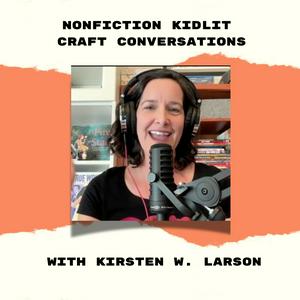
Ready to take a deep dive into the craft and business of nonfiction kidlit? In Nonfiction Kidlit Craft Conversations, Kirsten W. Larson, author of ”Reimagining Your Nonfiction Picture Book,” chats with creators of nonfiction new releases about the craft and business of writing nonfiction for children and teens.
Podcast websiteListen to Nonfiction Kidlit Craft Conversations, 99% Invisible and many other podcasts from around the world with the radio.net app
Get the free radio.net app
- Stations and podcasts to bookmark
- Stream via Wi-Fi or Bluetooth
- Supports Carplay & Android Auto
- Many other app features
Get the free radio.net app
- Stations and podcasts to bookmark
- Stream via Wi-Fi or Bluetooth
- Supports Carplay & Android Auto
- Many other app features
Nonfiction Kidlit Craft Conversations
Scan code,
download the app,
start listening.
download the app,
start listening.
 South Africa