

Listen to this podcast for free in the app: Download for free in the App Store
radio.net
Sleep timer
Save favourites
187 episodes

NAPOLEON HILL - SUCCESS THROUGH A POSITIVE MENTAL ATTITUDE: Timeless Principles for Success, Wealth, Happiness & Personal Achievement
2026/10/12 | 9h 35 mins.(00:00:00) 0. INTRODUCTION
(00:12:19) 1. MEET THE MOST IMPORTANT LIVING PERSON
(00:45:42) 2. YOU CAN CHANGE YOUR WORLD
(01:20:23) 3. CLEAR THE COBWEBS FROM YOUR THINKING
(01:54:15) 4. WILL YOU DARE TO EXPLORE THE POWERS OF YOUR MIND
(02:25:28) 5. AND SOMETHING MORE
(02:51:43) 6. YOU'VE GOT PROBLEM? THAT'S GOOD!
(03:19:45) 7. LEARN TO SEE
(03:48:34) 8. THE SECRET OF GETTING THINGS DONE
(04:13:38) 9. HOW TO MOTIVATE YOURSELF
(04:35:40) 10. HOW TO MOTIVATE OTHERS
(05:05:36) 11. IS THERE A SHORT CUT TO RICHES?
(05:08:44) 12. ATTRACT - DON’T REPEL - WEALTH
(05:33:51) 13. DON'T HAVE MONEY? USE OPM!
(06:10:56) 14. HOW TO FIND SATISFACTION IN YOUR JOB
(06:35:19) 15. YOUR MAGNIFICENT OBSESSION
(07:09:25) 16. HOW TO RAISE YOUR ENERGY LEVEL
(07:28:44) 17. YOU CAN ENJOY GOOD HEALTH & LIVE LONGER
(08:03:00) 18. CAN YOU ATTRACT HAPPINESS?
(08:31:16) 19. GET RID OF THAT GUILT FEELING
(08:55:47) 20. TEST YOUR OWN SUCCESS QUOTIENT
(09:10:30) 21. AWAKEN THE SLEEPING GIANT WITHIN YOU
(09:16:52) 22. AMAZING POWER OF BIBLIOGRAPHY
NAPOLEON HILL - SUCCESS THROUGH A POSITIVE MENTAL ATTITUDE: 22 Timeless Principles for Success, Wealth, Happiness, and Personal Achievement.
What separates people who overcome adversity from those who remain trapped by their circumstances? Why do some individuals recognize opportunities where others see obstacles? In Success Through a Positive Mental Attitude, Napoleon Hill and W. Clement Stone explore how attitudes, habits, and deliberate action influence personal and professional achievement.Originally published in 1959, this classic of personal development presents the concept of a Positive Mental Attitude (PMA): approaching life's challenges with constructive thinking, determination, and a willingness to discover possibilities.Positive thinking does not mean ignoring difficulties or expecting success without effort. Instead, it means learning from setbacks, taking responsibility for your decisions, and focusing on actions that can improve your circumstances.This audiobook series presents 22 chapters covering motivation, financial success, career satisfaction, health, happiness, relationships, and the discovery of untapped potential. Whether you want to strengthen your confidence, improve your work, develop better habits, or pursue meaningful goals, these lessons offer practical ideas for approaching life with greater purpose.
CHAPTER-BY-CHAPTER OVERVIEW
CHAPTER 1: MEET THE MOST IMPORTANT LIVING PERSON
Success begins with understanding yourself. This chapter introduces self-awareness and personal responsibility as foundations of achievement. By recognizing your influence over your thoughts, decisions, and actions, you can begin directing your life instead of allowing circumstances to dictate your future.
CHAPTER 2: YOU CAN CHANGE YOUR WORLD
Your attitude influences how you interpret events and respond to challenges. Although you cannot control everything that happens, you can develop greater control over your reactions and decisions. A constructive mindset helps you recognize opportunities and approach difficulties with renewed determination.
CHAPTER 3: CLEAR COBWEBS FROM YOUR THINKING
Negative assumptions, limiting beliefs, and confused thinking can obstruct progress. This chapter encourages you to examine habitual thought patterns, distinguish facts from assumptions, and replace unproductive beliefs with clearer reasoning. Mental clarity supports better decisions and purposeful action.
CHAPTER 4: DARE TO EXPLORE THE POWERS OF YOUR MIND
The mind offers remarkable capacities for imagination, learning, and problem-solving. This chapter encourages curiosity and experimentation rather than accepting limitations prematurely. By developing your abilities and challenging self-doubt, you can discover new possibilities for personal growth.
CHAPTER 5: SOMETHING MORE
Achievement often requires initiative beyond the minimum expected. This chapter explores the value of persistence, creativity, service, and willingness to improve your contributions. Going the extra mile can strengthen skills, build trust, and open doors to future opportunities.
CHAPTER 6: YOU'VE GOT A PROBLEM? THAT'S GOOD!
Problems can become opportunities for learning and improvement. Instead of viewing every obstacle as defeat, examine what it reveals and how you might respond differently. Setbacks can inspire better solutions, strengthen resilience, and encourage personal development.
CHAPTER 7: LEARN TO SEE
Recognizing opportunities requires looking beyond assumptions and first impressions. This chapter emphasizes observation, open-mindedness, and the ability to consider different perspectives. Learning to see situations more clearly can improve judgment and reveal possibilities that others overlook.
CHAPTER 8: THE SECRET OF GETTING THINGS DONE
Ideas become valuable when translated into action. This chapter examines the importance of priorities, organization, persistence, and effective time management. Breaking objectives into manageable steps helps overcome procrastination and transform ambitions into measurable progress.
CHAPTER 9: HOW TO MOTIVATE YOURSELF
Self-motivation helps you continue when enthusiasm fades or external encouragement disappears. By identifying meaningful goals and understanding why they matter, you can strengthen commitment. Motivation can be cultivated through constructive habits, clear objectives, and consistent action.
CHAPTER 10: HOW TO MOTIVATE OTHERS
Effective influence begins with understanding and respect. This chapter explores how encouragement, appreciation, positive example, and genuine interest can inspire others. Constructive leadership creates an environment in which people feel valued and motivated to contribute.
CHAPTER 11: IS THERE A SHORTCUT TO RICHES?
Financial success rarely comes from wishing alone. This chapter examines the importance of knowledge, persistence, sound judgment, and productive habits. Sustainable financial progress requires creating value, making informed decisions, and avoiding unrealistic promises of effortless wealth.
CHAPTER 12: ATTRACT—DON'T REPEL—WEALTH
Your attitudes toward money can influence your financial decisions and willingness to pursue opportunities. This chapter encourages constructive thinking, responsible behavior, and a focus on creating value. Positive thinking can support financial progress when combined with practical knowledge and disciplined action.
CHAPTER 13: DON'T HAVE MONEY? USE OPM!
OPM stands for Other People's Money. This chapter introduces the idea that personal savings are not the only potential resource for pursuing business opportunities. Relationships, financing, and cooperation can help make plans possible, provided risks, obligations, and financial responsibilities are carefully evaluated.
CHAPTER 14: HOW TO FIND SATISFACTION IN YOUR JOB
Professional satisfaction can grow through personal development, meaningful contribution, and improved performance. This chapter encourages readers to reconsider their attitudes toward work, strengthen their skills, and identify opportunities for advancement. A constructive approach can make current responsibilities more rewarding while preparing for future possibilities.
CHAPTER 15: YOUR MAGNIFICENT OBSESSION
A meaningful purpose provides direction and persistence. This chapter explores how a worthwhile ambition can organize priorities, inspire sustained effort, and help you overcome discouragement. The challenge is to pursue a goal that motivates you while remaining practical and considerate of others.
CHAPTER 16: HOW TO RAISE YOUR ENERGY LEVEL
Energy influences concentration, productivity, and enthusiasm. This chapter examines the relationship between mental attitude and personal vitality. Constructive thinking, adequate rest, physical activity, and healthy routines can help support the energy needed to pursue worthwhile objectives.
CHAPTER 17: ENJOY GOOD HEALTH AND LIVE LONGER
This chapter explores the relationship between attitude, everyday habits, and well-being. Hope, social connection, and purposeful activity can contribute to quality of life, although positive thinking cannot guarantee health or replace medical care. The emphasis is on supporting well-being through responsible choices.
CHAPTER 18: CAN YOU ATTRACT HAPPINESS?
Happiness depends on more than possessions or external recognition. This chapter examines gratitude, relationships, expectations, and the way we interpret everyday experiences. Appreciating what you have while continuing to pursue meaningful goals can help develop a more satisfying outlook.
CHAPTER 19: GET RID OF THAT GUILT FEELING
Persistent guilt can prevent personal growth when regret becomes self-punishment. This chapter encourages readers to acknowledge mistakes, accept responsibility, make amends where possible, and learn from experience. Replacing endless self-condemnation with constructive action can help restore confidence and direction.
CHAPTER 20: TEST YOUR OWN SUCCESS QUOTIENT
Personal evaluation helps identify strengths, weaknesses, and opportunities for improvement. This chapter invites you to examine your habits, attitudes, and progress toward meaningful goals. Honest reflection allows you to make practical adjustments instead of repeating ineffective patterns.
CHAPTER 21: AWAKEN THE SLEEPING GIANT WITHIN YOU
Fear, routine, and discouragement can leave abilities undeveloped. This chapter challenges readers to recognize their potential and begin using it through deliberate effort. Confidence grows through experience, persistence, and the willingness to learn from mistakes.
CHAPTER 22: THE AMAZING POWER OF BIBLIOGRAPHY
Books and recorded knowledge provide access to ideas, experiences, and insights that can expand your understanding. This chapter highlights the value of continued learning and the resources available to curious minds. A commitment to reading, studying, and applying useful knowledge supports lifelong personal development.
THE CENTRAL MESSAGE: YOUR ATTITUDE SHAPES YOUR APPROACH
Across these 22 chapters, Hill and Stone emphasize that the way you think influences your decisions, habits, relationships, and responses to adversity.A Positive Mental Attitude is not a magical guarantee of wealth, health, or happiness. It is a constructive approach to challenges that encourages responsibility, learning, and purposeful effort.When difficulties arise, ask what you can learn. When uncertainty appears, gather information and identify your next step. When you make mistakes, accept responsibility and improve. When opportunities emerge, evaluate them carefully and act decisively.Success also extends beyond financial achievement. Career satisfaction, meaningful relationships, personal growth, well-being, and the freedom to pursue w
Become a supporter of this podcast: https://www.spreaker.com/podcast/napoleon-hill-hq-full-audiobooks--5972993/support.NAPOLEON HILL – HOW TO OWN YOUR OWN MIND: Andrew Carnegie’s Secrets of Success & Mental Mastery
2025/11/24 | 7h 6 mins.(00:00:00) 1. CREATIVE VISION
(01:34:13) 1.1 ANALYSIS OF CREATIVE VISION
(02:16:14) 2. ORGANIZED THOUGHT
(03:32:14) 2.1 ANDREW CARNEGIE’S VIEWS ON ORGANIZED THINKING
(04:37:12) 3. CONTROLLED ATTENTION
(06:06:07) 3.1 ANDREW CARNEGIE’S ANALYSIS OF CONTROLLED ATTENTION
NAPOLEON HILL & ANDREW CARNEGIE – HOW TO OWN YOUR OWN MIND: Andrew Carnegie’s Hidden Principles of Success & Mental Mastery.
How to own your own mind is one of Napoleon Hill's most important works on the power of thought, mental discipline, and personal achievement. Originally published in 1941, this remarkable work presents a philosophy of mental mastery developed through Hill's famous study of successful men and, most importantly, through his relationship and collaboration with the legendary industrialist ANDREW CARNEGIE.
The participation of Andrew Carnegie is a particularly important feature of this work.
Carnegie was one of the most successful industrialists of the late nineteenth and early twentieth centuries and became one of the central figures behind Napoleon Hill's philosophy of success. Hill's connection with Carnegie began decades before the publication of How to own your own mind. According to Hill's account, Carnegie challenged him to study the methods of successful people and to discover whether there were universal principles behind achievement.
That investigation became the foundation of Hill's lifelong work.
In How to own your own mind, Hill presents three fundamental mental faculties:
CREATIVE VISION
ORGANIZED THOUGHT
CONTROLLED ATTENTION
These three principles describe a progression from creating an idea, to organizing that idea, to concentrating the mind sufficiently to transform thought into purposeful action.
But this work is particularly significant because Andrew Carnegie's own perspective is brought directly into the discussion. The second major section examines CARNEGIE'S VIEWS ON ORGANIZED THINKING, while the third examines CARNEGIE'S ANALYSIS OF CONTROLLED ATTENTION.
The result is a fascinating meeting of two perspectives: Napoleon Hill's systematic study of success and Andrew Carnegie's practical experience as a businessman, industrial leader, and self-made millionaire.
This is not simply a book about "thinking positively."
It is about learning how to THINK DELIBERATELY.
It asks a fundamental question:
DO YOU CONTROL YOUR MIND — OR DOES YOUR MIND CONTROL YOU?
CHAPTER 1 – CREATIVE VISION
The first chapter, CREATIVE VISION, begins with one of the most fundamental principles in Napoleon Hill's philosophy: every achievement begins with an idea.
Before a building exists, someone imagines it. Before a business is established, someone conceives the idea for it. Before an invention becomes reality, it first exists in the imagination of its creator.
Creative vision is therefore the ability to mentally see possibilities that do not yet exist in physical form.
Hill explores the imagination as one of the most powerful faculties available to human beings. It allows individuals to look beyond present circumstances and construct mental pictures of possible futures.
This ability is not restricted to artists, inventors, or extraordinary geniuses. Hill presents creative vision as a faculty that can be developed and deliberately used by ordinary people.
The person who develops this faculty can begin seeing opportunities where others see limitations.
Creative vision also provides the starting point for definite purpose. A person cannot deliberately move toward a destination that has never been mentally defined.
Hill therefore connects imagination with ambition, desire, purpose, faith, persistence, and action.
The important distinction is that creative vision must eventually become practical.
A vision without action remains an idea.
A vision combined with organized thinking and persistent action can become a plan—and potentially a tangible achievement.
1.1 – ANALYSIS OF CHAPTER ONE BY NAPOLEON HILL
Hill's analysis of CREATIVE VISION takes the discussion deeper by examining why imagination is so important to achievement.
The ability to visualize a desired objective gives the mind a direction. Instead of merely reacting to circumstances, the individual begins to think about what could be created.
Hill emphasizes that successful people frequently begin with mental pictures long before external evidence of success appears.
This section explores the relationship between vision and persistence. A person who has a definite mental picture of what he or she wants is better positioned to withstand temporary setbacks because the desired objective remains the central point of attention.
Creative vision therefore becomes the first stage of mental ownership.
You first determine what you want to create.
Then you begin organizing the thoughts necessary to create it.
And finally, you concentrate your attention sufficiently to move toward it.
CHAPTER 2 – ORGANIZED THOUGHT
The second chapter, ORGANIZED THOUGHT, moves from imagination to mental structure.
An individual may possess tremendous imagination and countless ideas, but ideas alone do not produce results.
They must be organized.
Hill examines the importance of arranging thoughts around a definite objective and separating useful information from irrelevant distractions.
Organized thought means learning how to think systematically rather than allowing the mind to jump randomly from one idea to another.
It involves defining objectives, gathering knowledge, analyzing problems, establishing priorities, developing plans, and directing mental energy toward productive action.
This principle is especially important in business and leadership, but it applies equally to personal goals, education, relationships, finances, and virtually every other area of life.
A person can work extremely hard and still achieve little if his or her efforts are scattered.
Hill's philosophy therefore places great importance on the intelligent organization of mental resources.
And this is where the participation of Andrew Carnegie becomes especially important.
2.1 – ANDREW CARNEGIE'S VIEWS ON ORGANIZED THINKING
This section brings Andrew Carnegie's own perspective to the center of the discussion.
Carnegie's importance to Napoleon Hill's philosophy cannot be overstated. Hill regarded Carnegie as one of the key figures who helped inspire his systematic investigation into the principles of personal achievement.
Carnegie's practical experience provides a different dimension to Hill's theoretical analysis.
Rather than simply discussing success as an abstract concept, Carnegie's perspective comes from decades of experience in building an enormous industrial enterprise and working with people, organizations, capital, and complex business decisions.
His views emphasize the importance of THINKING BEFORE ACTING and of bringing order to the mind.
Disorganized thinking can lead to confused decisions, wasted effort, and scattered energy. Organized thinking, by contrast, allows a person to identify the essential problem, gather the necessary knowledge, establish priorities, and pursue a definite objective.
This section is therefore particularly valuable because listeners encounter Carnegie's perspective alongside Hill's interpretation of the principles.
The discussion asks us to consider an important distinction:
ARE YOU SIMPLY BUSY — OR ARE YOU THINKING IN AN ORGANIZED WAY TOWARD A DEFINITE PURPOSE?
CHAPTER 3 – CONTROLLED ATTENTION
The third major chapter, CONTROLLED ATTENTION, introduces the principle that brings the previous two ideas together.
Creative vision gives the mind an objective.
Organized thought provides a method.
Controlled attention provides concentration.
Hill examines the ability to keep the mind directed toward a definite purpose despite distractions, competing interests, difficulties, and temporary setbacks.
This is an essential component of achievement because even the most brilliant idea can remain unrealized if attention continually shifts from one objective to another.
Controlled attention means learning to deliberately direct mental energy.
Instead of allowing every external circumstance to determine what receives attention, the individual develops the ability to decide what deserves concentration.
The principle is closely connected with persistence and definite purpose.
When attention is repeatedly directed toward a clearly defined objective, the mind has greater opportunity to analyze problems, recognize opportunities, develop solutions, and maintain consistent action.
In this sense, controlling attention is an important part of owning one's own mind.
3.1. – ANDREW CARNEGIE'S ANALYSIS OF CONTROLLED ATTENTION
The final section returns to Andrew Carnegie and examines his analysis of CONTROLLED ATTENTION.
Carnegie's contribution is particularly significant because controlled attention was not merely presented as a theoretical psychological concept. It was connected with the practical demands of achievement and leadership.
The ability to concentrate one's mental energy on an important objective can determine how effectively a person uses time, knowledge, resources, and opportunity.
Carnegie's perspective reinforces the importance of avoiding scattered effort and maintaining a clear direction.
The section examines how concentration can help transform potential into purposeful action.
A person may have intelligence.A person may possess knowledge.A person may have imagination.A person may even have a carefully organized plan.But without sustained attention, these resources can remain unused.Controlled attention is therefore presented as the mental discipline that helps keep the entire process moving.
#NapoleonHill #AndrewCarnegie #HowToOwnYourOwnMind #Success #SuccessMindset #PersonalDevelopment #SelfImprovement #Mindset #SuccessPrinciples #MindPower
Become a supporter of this podcast: https://www.spreaker.com/podcast/napoleon-hill-hq-full-audiobooks--5972993/support.NAPOLEON HILL – GOLDEN RULES: Hidden Principles of Success, Character & Personal Power
2025/05/11 | 5h 38 mins.(00:00:00) 1. YOUR SOCIAL & PHYSICAL HEREDITY
(00:06:43) 2. AUTO-SUGGESTION
(00:12:32) 3. HOW TO DEVELOP CHARACTER THROUGH AUTO-SUGGESTION
(00:25:50) 4. VALUE OF A DEFINITE AIM IN LIFE
(00:38:43) 5. SUGGESTION
(01:20:19) 6. THE LAW OF RETALIATION
(01:50:01) 7. THE POWER OF YOUR MIND
(02:06:52) 8. HOW TO BUILD SELF-CONFINDENCE
(02:27:42) 9. ENVIRONMENT& HABIT
(03:11:17) 10. HOW TO REMEMBER
(03:48:41) 11. HOW MARK ANTONY USED SUGGESTION IN WINNING THE ROMAN MOB
(04:14:08) 12. PERSUASION VS. FORCE
(04:55:03) 13. THE LAW OF COMPENSATION
(05:13:28) 14. THE GOLDEN RULE AS A PASSKEY TO ALL ACHIEVEMENT
NAPOLEON HILL – GOLDEN RULES: The Hidden Principles of Success, Character, Personal Power & Achievement.
What determines the direction of a person's life? Is destiny fixed by heredity, environment, circumstances, and past experience—or can the individual consciously reshape those influences through thought, habit, purpose, and action?In this extensive collection of teachings attributed to Napoleon Hill, the Golden Rules series explores the mental and practical principles that Hill associated with personal achievement. Across fourteen lessons, Hill examines heredity, autosuggestion, character, definite purpose, suggestion, the law of retaliation, the power of the mind, self-confidence, environment, memory, persuasion, compensation, and the Golden Rule itself.Together, these teachings explore how a person can become more deliberate about the forces shaping character and direction.
1. YOUR SOCIAL & PHYSICAL HEREDITY: REWRITING YOUR DESTINY
The series begins with the question of heredity. Hill considers the influence of both physical inheritance and social environment on personality, behavior, opportunity, and development. While circumstances may influence the starting point, the deeper lesson is that inherited tendencies do not necessarily have to determine the entire course of a person's life.Understanding those influences can be the first step toward deciding which qualities to strengthen and which patterns to change.
2. AUTO-SUGGESTION: REPROGRAM YOUR MIND FOR SUCCESS
Hill then turns to autosuggestion—the deliberate use of repeated thoughts, statements, and mental impressions to influence the subconscious mind. The principle is closely connected with his broader philosophy that repeated thoughts can become powerful influences on behavior.Autosuggestion is presented as a method for reinforcing desired qualities, strengthening confidence, and keeping a definite objective consistently before the mind.
3. HOW TO DEVELOP CHARACTER THROUGH AUTO-SUGGESTION
The next lesson applies autosuggestion to character development. Hill explores the possibility of deliberately cultivating qualities such as courage, discipline, persistence, confidence, and determination.The emphasis is on repetition and practice: ideas become more influential when consistently reinforced and translated into behavior.
4. VALUE OF DEFINITE AIM IN LIFE: PURPOSE AS POWER
A definite aim provides direction. Without a clear objective, effort can become scattered among competing desires and distractions. Hill argues that a clearly defined purpose helps organize thought, attention, decisions, and action.This lesson connects purpose with persistence. Knowing what you want does not guarantee achievement, but it can provide the focus necessary to continue working toward a chosen objective.
5. SUGGESTION: THE POWER THAT SHAPES DESTINY
Suggestion is examined as a force capable of influencing thought and behavior. Hill considers how ideas can enter the mind through words, experiences, surroundings, and repeated impressions.The lesson encourages listeners to become more conscious of the suggestions they accept and the suggestions they communicate to others. The question is: what ideas repeatedly influence the way you think and act?
6. THE LAW OF RETALIATION: THE HIDDEN LAW OF SUCCESS
Hill explores the principle of retaliation and the tendency of actions to produce corresponding reactions. In the context of personal development, this becomes a lesson about conduct, relationships, and consequences.How a person treats others can influence the responses received in return. The principle therefore connects personal ambition with responsibility, cooperation, and awareness of consequences.
7. THE POWER OF YOUR MIND: MASTERING THE INVISIBLE FORCE
The mind occupies a central position throughout Hill's philosophy. This lesson examines the relationship between thought, attention, belief, imagination, and action.Hill encourages individuals to become more deliberate about what they allow to dominate their thinking. Concentration can direct effort toward purpose, while uncontrolled thought can contribute to distraction.
8. HOW TO BUILD SELF-CONFIDENCE: THE COURAGE TO BELIEVE IN YOURSELF
Self-confidence is presented as something that can be developed rather than something that a person either possesses or lacks permanently. Confidence grows through preparation, constructive thinking, experience, and repeated action.Hill emphasizes courage—the willingness to act despite uncertainty or temporary fear. Self-confidence becomes practical when it leads to decisions, initiative, persistence, and purposeful action.
9. ENVIRONMENT & HABIT: HOW YOUR SURROUNDINGS AND ROUTINES SHAPE YOU
Environment and habit can exert powerful influences on behavior. The people around you, the information you consume, the routines you repeat, and the standards you accept can all contribute to the development of habitual patterns.Hill's lesson encourages conscious selection of influences. Changing a routine or environment can sometimes make it easier to change the behavior associated with it. The broader message is that personal development requires attention not only to thoughts, but also to the conditions in which those thoughts and habits are repeatedly reinforced.
10. HOW TO REMEMBER
Memory is another practical element of personal effectiveness. Hill explores methods of improving recall by creating stronger mental associations and giving greater attention to information.The ability to retain names, ideas, experiences, and useful knowledge can strengthen communication, learning, and relationships.
11. HOW MARK ANTONY USED SUGGESTION IN WINNING THE ROMAN MOB
Hill turns to history to illustrate the practical use of suggestion and persuasion. The example of Mark Antony is used to explore how language, emotional appeal, timing, and presentation can influence a crowd.The lesson demonstrates that persuasion does not depend solely on force or authority. Understanding how people think and respond can make communication considerably more effective.
12. PERSUASION VS. FORCE
Hill contrasts persuasion with force and examines the consequences of trying to impose one's will upon others. Force may produce immediate compliance, but persuasion seeks cooperation by appealing to motives, interests, understanding, and voluntary agreement.This distinction connects with Hill's broader philosophy of leadership. Effective influence depends on understanding people rather than simply attempting to control them.
13. THE LAW OF COMPENSATION
The Law of Compensation explores the relationship between service, effort, value, and reward. Hill's philosophy emphasizes the idea that useful contribution and constructive effort can create opportunities for advancement.Rather than focusing exclusively on what one receives, the lesson encourages attention to what one contributes. Developing skills, providing value, and doing more than is strictly required become parts of a broader philosophy of personal achievement.
14. THE GOLDEN RULE: A PASSKEY TO ALL ACHIEVEMENT
The collection culminates in the Golden Rule—the principle of treating others according to the standards one would wish to experience oneself.For Hill, achievement is not simply a matter of accumulating money or reaching personal objectives. Relationships, cooperation, reputation, character, and service are also important elements of a successful life.The Golden Rule provides a framework for bringing the preceding lessons together. Purpose needs character. Confidence needs responsibility. Persuasion needs respect. Ambition needs cooperation. Personal achievement exists within a world of relationships with other people.
THE BIGGER PICTURE
Taken together, these fourteen lessons present a broad philosophy of personal development. Heredity may influence the starting point, but Hill emphasizes conscious development. Autosuggestion can reinforce desired thoughts. Definite purpose provides direction. Accurate awareness of suggestion helps protect the mind from unwanted influences. Self-confidence supports action. Environment and habit shape repeated behavior. Persuasion develops cooperation, while the Golden Rule places achievement within a framework of constructive human relationships.The collection reflects Hill's interest in the relationship between thought and action. Thinking alone is not sufficient. A purpose must be followed by effort. Confidence must be expressed through action. Habits must be practiced repeatedly. Ideas become useful when they influence decisions and behavior.Whether approached as a philosophy of success or a collection of exercises for self-reflection, the central questions remain relevant: What influences your thinking? Which habits are shaping your behavior? What purpose is directing your effort? Which qualities do you want to develop? And how do your actions affect the people around you?Listen to the Golden Rules and explore Napoleon Hill's teachings on autosuggestion, definite purpose, self-confidence, persuasion, habit, character, compensation, and the Golden Rule.The lesson is how to become more deliberate about the person you are becoming—and how thoughts, habits, relationships, and actions can work together in the pursuit of a purposeful life.
Become a supporter of this podcast: https://www.spreaker.com/podcast/napoleon-hill-hq-full-audiobooks--5972993/support.NAPOLEON HILL – OUTWITTING THE DEVIL: Hidden Laws of Fear, Success & Personal Freedom
2025/04/15 | 4h 51 mins.(00:00:00) 1. FIRST MEETING WITH ANDREW CARNEGIE
(00:34:41) 2. A NEW WORLD IS REVEALED TO ME
(00:55:15) 3. A STRANGE INTERVIEW WITH THE DEVIL
(01:18:13) 4. DRIFTING WITH THE DEVIL
(01:48:39) 5. THE CONFESSION CONTINUES
(02:16:21) 6. HYPNOTIC RHYTHM
(02:39:04) 7. SEEDS OF FEAR
(02:49:05) 8. DEFINITENESS OF PURPOSE
(03:01:42) 9. EDUCATION & RELIGION
(03:30:46) 10. SELF-DISCIPLINE
(03:49:51) 11. LEARNING FROM ADVERSITY
(04:13:05) 12. ENVIRONMENT, TIME, HARMONY & CAUTION
(04:40:37) 13. SUMMARY
NAPOLEON HILL – OUTWITTING THE DEVIL: The Hidden Laws of Fear, Success & Personal Freedom (1938).
What are the forces that keep people from achieving their goals? Why do so many individuals drift through life without a definite purpose, allowing fear, doubt, habits, circumstances, and other people's opinions to determine their direction?
In Outwitting the Devil, written by Napoleon Hill in 1938, Hill explores these questions through one of his most unusual and controversial works. Presented as a dramatic interview between Hill and a personified “Devil,” the book uses allegory and dialogue to examine the psychological forces that Hill believed could control human behavior.At the center of the work is the concept of drifting—living without a definite purpose, allowing circumstances to dictate decisions, and repeatedly surrendering control over one's thoughts. Hill contrasts drifting with definiteness of purpose, self-discipline, independent thought, and conscious control of one's habits.This complete audiobook presentation contains 13 chapters, following Hill's progression from his early meeting with Andrew Carnegie through his fictionalized interview with the Devil and ultimately to a summary of the principles he believed could help individuals become more purposeful and self-directed.
1. FIRST MEETING WITH ANDREW CARNEGIE
The journey begins with Hill's famous encounter with Andrew Carnegie. This opening chapter provides the background to the philosophy that would eventually become central to Hill's writings on achievement, success, and personal development.Carnegie challenges Hill to investigate the principles behind successful people and to discover whether those principles could be organized into a practical philosophy available to ordinary individuals. The chapter introduces the idea that success is not simply a matter of luck or circumstance, but can be studied through recurring patterns of thought and action.This meeting establishes the intellectual foundation for the extraordinary investigation that follows.
2. A NEW WORLD IS REVEALED TO ME
Hill moves from his earlier experiences into a new understanding of the forces that influence human behavior. The chapter introduces a broader world of psychological and philosophical ideas surrounding purpose, thought, habit, and personal control.The discussion begins to shift from external circumstances toward the individual's inner world. Hill examines how people can become conditioned by their surroundings and gradually accept patterns of thinking that limit their possibilities.The “new world” is therefore primarily a new way of seeing human potential and human behavior.
3. STRANGE INTERVIEW WITH THE DEVIL
The central dramatic device of the book appears in this chapter: Hill conducts a strange and extraordinary interview with the personified Devil.Rather than presenting evil simply as a supernatural force, the dialogue allows Hill to explore the mechanisms through which people can lose control over their own lives. Fear, uncertainty, procrastination, lack of purpose, and habitual thinking become subjects of interrogation.The Devil is portrayed as revealing information about how people can be influenced when they fail to exercise independent thought and disciplined action.This chapter establishes the unusual framework that makes Outwitting the Devil so distinctive.
4. DRIFTING WITH THE DEVIL
Hill examines the concept of drifting, one of the book's central themes.A drifter, in Hill's framework, is someone who does not have a definite purpose and therefore becomes vulnerable to external influences. Instead of consciously choosing a direction, the person allows circumstances, other people, fear, habit, or social pressure to determine the course of life.The chapter explores how drifting can become habitual. Small compromises and repeated inaction can gradually develop into a way of living.Hill's argument is that personal direction begins with conscious choice and a clearly defined purpose.
5. THE CONFESSION CONTINUES
The interview continues, with Hill pressing for further revelations about the methods through which people become controlled by negative habits and limiting beliefs.The discussion expands upon the relationship between thought and behavior. Hill explores how individuals may surrender their independence without realizing that they have done so.The chapter also develops the idea that fear can operate as a powerful psychological influence. When fear becomes habitual, it can affect decisions, relationships, ambitions, and willingness to take action.The “confession” therefore becomes a broader examination of the weaknesses that can prevent individuals from directing their own lives.
6. HYPNOTIC RHYTHM
One of the most memorable concepts introduced in Outwitting the Devil is hypnotic rhythm.Hill uses this expression to describe the way repeated thoughts and actions can become deeply established patterns. Once a person repeatedly thinks or behaves in a particular way, the pattern can become increasingly automatic.The concept connects habit, environment, repetition, and psychological conditioning. Hill suggests that the same mechanism that can create destructive habits can also be used constructively when directed toward disciplined and purposeful behavior.The chapter encourages listeners to examine which patterns in their own lives have become automatic.
7. SEEDS OF FEAR
Fear receives special attention in this chapter.Hill identifies fear as one of the forces that can prevent people from taking purposeful action. Fear of poverty, criticism, ill health, loss, old age, and other forms of uncertainty can influence decisions and encourage avoidance.The “seeds” metaphor emphasizes that fear can begin with a relatively small thought and, through repetition, grow into a powerful habitual pattern.Hill's broader message is that recognizing fear is an important step toward preventing it from unconsciously determining one's choices.
8. DEFINITENESS OF PURPOSE
The antidote to drifting is introduced more explicitly through the principle of definiteness of purpose.Hill argues that a person who knows what they want has a clearer basis for making decisions. A definite purpose can organize attention, effort, persistence, and daily behavior.This chapter connects strongly with Hill's broader philosophy of personal achievement. Purpose is presented not merely as an abstract ambition but as a practical organizing principle.The chapter asks a fundamental question: if a person does not consciously decide where they are going, what will determine their direction?
9. EDUCATION & RELIGION
Hill turns toward two major institutions that shape people's beliefs and attitudes: education and religion.The chapter examines the ways in which individuals acquire ideas, assumptions, values, and habits of thought from their surroundings. Hill questions whether education always teaches independent thinking and explores the relationship between institutional beliefs and individual freedom of thought.His discussion is presented within the larger theme of avoiding mental conformity and developing the ability to think independently.The chapter therefore broadens the book's focus from personal habits to the social environments that influence those habits.
10. SELF-DISCIPLINE
Self-discipline becomes one of the essential tools for overcoming drifting and establishing personal direction.Hill examines the importance of controlling impulses, maintaining concentration, following through on decisions, and refusing to surrender one's purpose whenever obstacles appear.For Hill, purpose without discipline remains incomplete. A person may know what they want but still fail to achieve it if they cannot consistently direct their thoughts and actions.This chapter connects determination with practical daily behavior and emphasizes the importance of developing control over oneself.
11. LEARNING FROM ADVERSITY
Adversity is examined from a different perspective: not simply as an obstacle, but as a potential source of knowledge and personal development.Hill explores the idea that difficulties can reveal weaknesses, force reconsideration of priorities, and create opportunities to develop persistence and self-knowledge.The chapter does not suggest that hardship is desirable in itself. Instead, it focuses on the response to hardship and the possibility of extracting useful lessons from difficult experiences.This principle fits into Hill's broader philosophy that circumstances do not have to determine the ultimate direction of a person's life.
12. ENVIRONMENT, TIME, HARMONY & CAUTION
The final major discussion brings together several influences on human behavior: environment, time, harmony, and caution.Hill considers how surroundings can reinforce habits and how the people and circumstances around us can affect our thinking. Time becomes important because repeated behavior gradually establishes patterns that can be difficult to change.Harmony concerns the relationship between one's thoughts, actions, purpose, and environment, while caution raises questions about excessive fear and hesitation.Together, these ideas reinforce the central theme of the book: conscious living requires awareness of the forces that shape behavior.
13. SUMMARY
The final chapter brings the major principles together.Hill returns to the central contrast between drifting and purposeful living. Definiteness of purpose, independent thought, self-discipline, control of habits, awareness of fear, and the ability to learn from adversity all contribute to the larger philosophy developed throughout the book.The dramatic interview with the “Devil” ultimately serves as a framework for examining human psychology and the forces that can cause individuals to surrender control over their decisions.
Become a supporter of this podcast: https://www.spreaker.com/podcast/napoleon-hill-hq-full-audiobooks--5972993/support.NAPOLEON HILL – THE MASTER KEY TO SUCCESS: 13 Powerful Principles for Success, Wealth & Achievement
2025/02/27 | 1h 54 mins.(00:00:00) 1. DEFINITENESS OF PURPOSE
(00:09:00) 2. THE MASTER MIND PRINCIPLE
(00:18:03) 3. THE HABIT OF GOING THE EXTRA MILE
(00:27:14) 4. APPLIED FAITH
(00:36:26) 5. PLEASING PERSONALITY
(00:45:47) 6. SELF DISCIPLINE
(00:54:02) 7. A POSITIVE MENTAL ATTITUDE
(01:01:30) 8. ENTHUSIASM
(01:10:25) 9. PERSONAL INITIATIVE
(01:20:17) 10. LEARNING FROM ADVERSITY & DEFEAT
(01:29:35) 11. CREATIVE VISION
(01:35:52) 12. ACCURATE THINKING
(01:45:08) 13. COSMIC HABIT FORCE
NAPOLEON HILL – THE MASTER KEY TO SUCCESS: 13 Powerful Principles for Success, Wealth & Achievement (1954).
What is the real difference between people who dream about success and people who actually achieve it?According to Napoleon Hill, success is not primarily determined by luck, circumstances, wealth, education, or natural talent. It begins with a definite purpose, develops through disciplined thought and action, and becomes a lasting reality through the consistent application of specific principles.The Master Key to Success, presented here as a complete 13-part course, brings together many of the central ideas that define Hill’s philosophy of personal achievement. Building upon concepts explored in Think and Grow Rich, The Law of Success, and his later teachings on personal achievement, this course presents a practical framework for developing the mindset, habits, relationships, and personal qualities necessary to pursue meaningful goals.This is not simply a collection of motivational ideas. It is an instructional journey through 13 principles of success, each designed to strengthen a different aspect of personal mastery.Whether your objective is financial success, professional achievement, entrepreneurship, leadership, personal development, or simply creating a better life, Hill’s philosophy begins with one essential question:What do you really want—and what are you willing to do to achieve it?
1. DEFINITENESS OF PURPOSE
Every achievement begins with a destination.Hill argues that one of the greatest obstacles to success is the absence of a clear and definite purpose. Without a specific objective, people can become trapped in routine, distracted by temporary circumstances, or influenced by the goals of others.Definiteness of Purpose means deciding what you want and establishing a clear direction for your efforts.A definite purpose provides a framework for decision-making. It allows you to determine which opportunities deserve your attention, which activities are distractions, and which actions move you closer to your objective.The principle is simple: you cannot effectively pursue a destination you have never clearly defined.
2. MASTERMIND ALLIANCE
Hill’s Mastermind principle emphasizes the extraordinary power of harmonious cooperation.No individual possesses all the knowledge, experience, skills, or resources necessary to accomplish every major objective alone. A Mastermind Alliance brings together people whose combined knowledge and abilities can produce results greater than the efforts of one person working independently.The right alliance can provide ideas, encouragement, expertise, connections, accountability, and new perspectives.Success therefore becomes not only a personal journey but also a process of intelligent cooperation.
3. GOING THE EXTRA MILE
One of Hill’s most practical principles is the habit of doing more than you are paid to do and providing greater value than people expect.Going the Extra Mile creates goodwill, trust, reputation, and opportunity. It distinguishes individuals who merely fulfill obligations from those who consistently seek ways to contribute additional value.Hill teaches that extraordinary rewards often follow extraordinary service.This principle applies everywhere—from employment and entrepreneurship to relationships and leadership. When you consistently provide more value, you become more valuable.
4. APPLIED FAITH
Faith becomes powerful when it is transformed into action.Hill’s concept of Applied Faith is not simply believing that success is possible. It means developing confidence in a definite objective and then acting according to that belief.Doubt can paralyze action, while constructive belief can create courage and persistence.Applied Faith provides the psychological strength required to continue moving forward when immediate results are unavailable.The principle is ultimately about aligning belief, purpose, and action.
5. PLEASING PERSONALITY
Success rarely happens in isolation.Hill emphasizes the importance of developing a personality that attracts cooperation rather than resistance. Courtesy, enthusiasm, optimism, emotional control, flexibility, understanding, and genuine interest in other people can dramatically influence the quality of personal and professional relationships.A pleasing personality does not mean pretending to be someone you are not. It means developing qualities that make communication, cooperation, and mutual understanding easier.People open doors for people they trust, respect, and enjoy working with.
6. SELF-DISCIPLINE
Self-discipline is the ability to direct your thoughts, emotions, habits, and actions toward a chosen objective.Without self-discipline, even a powerful goal can be defeated by procrastination, distraction, fear, impatience, or temporary pleasure.Hill’s philosophy places enormous importance on mastering oneself before attempting to master circumstances.Self-discipline transforms intention into consistent behavior.It allows you to continue working when motivation disappears, maintain focus when distractions appear, and make decisions based on long-term objectives rather than temporary emotions.
7. POSITIVE MENTAL ATTITUDE
Your attitude influences the way you interpret circumstances, respond to difficulties, and recognize opportunities.Hill teaches that maintaining a Positive Mental Attitude does not mean ignoring problems or pretending that difficulties do not exist. Instead, it means approaching challenges with the expectation that constructive solutions can be found.A positive mental attitude encourages possibility rather than limitation.It can influence confidence, relationships, persistence, creativity, and willingness to take action.The circumstances of life may not always be under your control—but your mental response to those circumstances is something you can deliberately develop.
8. ENTHUSIASM
Enthusiasm gives energy to purpose.A person may possess knowledge, intelligence, and ability, but without enthusiasm, those qualities may remain underutilized.Hill emphasizes that genuine enthusiasm can increase effort, improve communication, inspire cooperation, and make an individual more persuasive and effective.Enthusiasm is also contagious. When people demonstrate genuine energy and commitment toward their work, they can influence the people around them.Success therefore requires not only knowing what to do, but bringing energy and conviction to the process.
9. PERSONAL INITIATIVE
Personal Initiative means acting without waiting for someone else to tell you what to do.High achievers recognize opportunities and take responsibility for pursuing them. They do not constantly wait for perfect circumstances, permission, instructions, or external motivation.Initiative creates momentum.It transforms a person from a passive observer of circumstances into an active participant in creating results.Hill’s message is particularly relevant in entrepreneurship and modern professional life: opportunities frequently belong to those willing to recognize them and act before everyone else does.
10. LEARNING FROM ADVERSITY AND DEFEAT
Failure is inevitable.The important question is what you do with it.Hill repeatedly emphasizes that temporary defeat does not necessarily mean permanent failure. Adversity can reveal weaknesses, expose ineffective strategies, generate new knowledge, and force individuals to discover alternatives they might never have considered otherwise.The person who learns from defeat becomes stronger through experience.Instead of asking only, “Why did this happen to me?” the successful thinker asks:What can I learn from this experience, and how can I use that knowledge to move forward?This principle transforms adversity from an ending into potential education.
11. CREATIVE VISION
Creative Vision is the ability to see possibilities beyond present circumstances.Every major achievement begins as an idea before it becomes a physical reality. Entrepreneurs envision businesses before they exist. Inventors imagine solutions before they are created. Leaders envision futures that others cannot yet see.Hill encourages individuals to develop the ability to imagine a better future and then work systematically toward it.Creative vision combines imagination with purpose.It enables people to recognize opportunities, generate solutions, and challenge assumptions that restrict conventional thinking.
12. ACCURATE THINKING
Accurate Thinking is the discipline of separating facts from assumptions, opinions, emotions, exaggerations, and unsupported conclusions.Hill stresses the importance of learning to distinguish between facts that are important and facts that are irrelevant, as well as between genuine knowledge and information that merely appears convincing.Clear thinking improves decision-making.In a world filled with enormous quantities of information, the ability to evaluate what is true, what is useful, and what deserves attention becomes increasingly valuable.Accurate Thinking provides a foundation for intelligent action.
13. COSMIC HABIT FORCE
The final principle, Cosmic Habit Force, explores Hill’s belief that habits and recurring patterns play a fundamental role in human life.The concept reflects Hill’s broader philosophy that repeated thoughts and actions gradually establish habits, and habits influence character and results.Whether understood through Hill’s metaphysical framework or simply as a philosophy of behavioral conditioning, the practical lesson is powerful:What you repeatedly think and do eventually becomes part of who you are.Positive habits can support achievement, while destructive habits can quietly undermine it.By consciously repeating constructive thoughts and behaviors, individuals can gradually build a lifestyle aligned with their objectives.
Become a supporter of this podcast: https://www.spreaker.com/podcast/napoleon-hill-hq-full-audiobooks--5972993/support.
More Arts podcasts









Trending Arts podcasts



















About NAPOLEON HILL - HQ Full Audiobooks
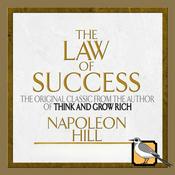
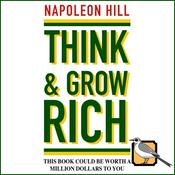
THE NAPOLEON HILL PODCAST – COMPLETE AUDIOBOOKS ON SUCCESS, WEALTH & PERSONAL ACHIEVEMENTOUR GOAL IS TO BRING YOU THE GREATEST WISDOM OF ALL TIME, SO YOU CAN BUILD A BETTER, HAPPIER, AND MORE SUCCESSFUL LIFE.Welcome to The Napoleon Hill Podcast, your destination for the timeless principles of success, wealth creation, personal development, leadership, and mental mastery. Discover the complete audiobooks and influential teachings of Napoleon Hill, one of the most widely recognized pioneers of modern success philosophy.Drawing on decades of research into the habits, attitudes, and principles associated with achievement, Hill developed a philosophy centered on definite purpose, desire, faith, self-confidence, imagination, organized planning, persistence, and personal responsibility. His teachings encourage listeners to develop a success-oriented mindset, overcome limiting habits, recognize opportunities, and turn their ambitions into purposeful action.Whether you want to improve your financial future, advance your career, become a better leader, strengthen your confidence, or develop greater control over your thoughts and decisions, this podcast offers a comprehensive audio library of Napoleon Hill's most influential works.Listen while commuting, walking, exercising, working, or relaxing. Revisit important lessons, reflect on their meaning, and explore how these classic principles can be applied to the challenges and opportunities of modern life.EXPLORE THE COMPLETE WORKS OF NAPOLEON HILLOur collection brings together nine major works and series associated with Napoleon Hill, presented in high-quality audio to make his teachings accessible wherever your day takes you.1. THINK AND GROW RICH (1937)Discover Napoleon Hill's landmark work on the philosophy of achievement. Think and Grow Rich explores the relationship between desire, belief, imagination, planning, persistence, and the pursuit of clearly defined goals.Hill introduces the concept of a Definite Chief Aim: a clear understanding of what you want to accomplish and a commitment to organizing your efforts around that objective. His famous principles encourage readers to transform vague wishes into specific ambitions supported by planning, continuous learning, and determined action.Explore the importance of faith, autosuggestion, specialized knowledge, decision-making, and the Master Mind principle. Learn how a constructive mental attitude and persistent effort can help you approach obstacles differently and remain focused on long-term objectives.For generations of readers, Think and Grow Rich has served as an introduction to success philosophy, personal ambition, and the disciplined pursuit of financial and professional goals.2. THE LAW OF SUCCESS IN 16 LESSONS (1928)The Law of Success presents Napoleon Hill's comprehensive philosophy of personal and professional achievement. Organized into sixteen lessons, this foundational work explores the attitudes, skills, and habits that support effective leadership and purposeful living.Its subjects include a Definite Chief Aim, self-confidence, the habit of saving, initiative and leadership, imagination, enthusiasm, self-control, the habit of doing more than paid for, personality, accurate thinking, concentration, cooperation, and learning from failure.Hill emphasizes that success is not simply a matter of talent or luck. It involves developing useful abilities, establishing constructive habits, working effectively with others, and maintaining a clear direction.Listen to the complete series to explore Hill's principles in greater depth and discover how they can inform your personal goals, career development, business activities, and relationships.3. THE MASTER KEY VIDEO SERIES – 13 SUCCESS PRINCIPLES (1954)Explore Napoleon Hill's thirteen success principles through the Master Key series. This collection focuses on the mental foundations of achievement and the practical disciplines that can help individuals move from intention to action.The principles include a Definite Chief Aim, self-confidence, initiative and leadership, imagination, enthusiasm, self-discipline, learning from adversity, and the power of the Master Mind.Hill's approach encourages listeners to study each principle, reflect on its meaning, and consider how it applies to their own circumstances. Rather than treating success as a single event, these teachings present personal development as an ongoing process of learning, decision-making, and consistent effort.Discover how the principles of purpose, mental discipline, cooperation, and persistence can help you build a stronger foundation for achievement.4. NAPOLEON HILL'S GOLDEN RULES (1923)Explore the early teachings of Napoleon Hill in Golden Rules, a collection of lessons on character, ambition, positive thinking, and personal success.These writings emphasize the importance of self-discipline, constructive attitudes, clear objectives, persistence, and the way we interact with other people. They offer insight into the development of Hill's philosophy and the principles that later became central to his best-known books.Discover practical ideas for strengthening personal responsibility, cultivating confidence, improving relationships, and approaching challenges with greater determination.For listeners interested in the origins of Hill's success philosophy, Golden Rules provides an opportunity to explore the foundations of his thinking and the enduring themes that run throughout his work.5. OUTWITTING THE DEVIL (1938)In Outwitting the Devil, Napoleon Hill examines fear, indecision, procrastination, negative habits, and the mental barriers that can prevent people from realizing their potential.Presented as an imagined interview with the Devil, the book uses a provocative dialogue to explore how individuals may become trapped in aimless routines, external influences, and self-defeating patterns of thought.Hill contrasts these obstacles with the importance of definite purpose, independent thinking, self-discipline, and the willingness to make conscious decisions. The work challenges listeners to examine whether their daily habits support their ambitions or quietly undermine them.Explore this distinctive and controversial work as a call to question automatic behavior, take greater responsibility for your choices, and develop the mental independence needed to pursue a more purposeful life.6. HOW TO SELL YOUR WAY THROUGH LIFE (1939)Napoleon Hill presents selling as a skill that extends far beyond commercial transactions. In How to Sell Your Way Through Life, he explores the art of communicating ideas, earning trust, building relationships, and influencing decisions.The book emphasizes enthusiasm, initiative, persistence, adaptability, integrity, and an understanding of human motivation. These principles can be relevant not only to professional salespeople but also to entrepreneurs, managers, leaders, and anyone who needs to communicate ideas effectively.Discover how preparation, thoughtful communication, a service-oriented attitude, and consistent effort can strengthen your ability to persuade without sacrificing honesty or respect.This audiobook offers valuable historical insights into sales psychology, personal influence, business relationships, and the role of communication in professional achievement.7. SUCCESS THROUGH A POSITIVE MENTAL ATTITUDE (1959)Co-authored by Napoleon Hill and W. Clement Stone, Success Through a Positive Mental Attitude explores how attitudes influence the way people interpret circumstances, respond to difficulties, and pursue opportunities.The book encourages readers to cultivate a constructive outlook while remaining prepared to act, learn, and adapt. It explores the difference between allowing setbacks to define your future and treating difficulties as opportunities to develop new skills or discover alternative approaches.Hill and Stone emphasize the importance of personal initiative, clear goals, persistence, and the conscious direction of attention. Their approach suggests that a positive mental attitude is most useful when combined with practical judgment and sustained effort.Discover how to recognize unhelpful thought patterns, strengthen resilience, and develop habits that support greater confidence and purposeful action.8. HOW TO OWN YOUR OWN MIND (1941)In How to Own Your Own Mind, Napoleon Hill explores the mental faculties that support clear thinking, focused attention, and purposeful achievement.The book examines creative vision, organized thought, and controlled attention, encouraging readers to become more deliberate about how they use their minds. Instead of allowing distractions and habitual reactions to dictate their direction, listeners are invited to clarify their objectives and direct their mental efforts toward meaningful priorities.Explore the relationship between imagination and planning, the value of concentrating on one important purpose, and the importance of organizing knowledge into practical strategies.This work is especially relevant to listeners seeking greater mental discipline, improved decision-making, and a more systematic approach to personal and professional goals.9. SUCCESS HABITS (1949)Success Habits focuses on the routines, attitudes, and repeated actions that can contribute to achievement over time. Its central theme is that lasting progress depends not only on ambition but also on the behaviors we practice consistently.Explore the importance of persistence, self-discipline, confidence, constructive thinking, goal setting, and personal responsibility. These principles encourage listeners to move beyond temporary motivation and develop routines that support their long-term objectives.Whether your goals involve career development, business, financial organization, productivity, or personal growth, the lessons ofBecome a supporter of this podcast: https://www.spreaker.com/podcast/napoleon-hill-hq-full-audiobooks--5972993/support.
Podcast websiteListen to NAPOLEON HILL - HQ Full Audiobooks, Artwork Sounds and many other podcasts from around the world with the radio.net app

Get the free radio.net app
- Stations and podcasts to bookmark
- Stream via Wi-Fi or Bluetooth
- Supports Carplay & Android Auto
- Many other app features
Get the free radio.net app
- Stations and podcasts to bookmark
- Stream via Wi-Fi or Bluetooth
- Supports Carplay & Android Auto
- Many other app features

NAPOLEON HILL - HQ Full Audiobooks
Scan code,
download the app,
start listening.
download the app,
start listening.
NAPOLEON HILL - HQ Full Audiobooks: Podcasts in Family
 South Africa