

Listen to this podcast for free in the app: Download for free in the App Store
radio.net
Sleep timer
Save favourites
575 episodes

Who Is Forming Your Child? Raise Kids With an Identity Stronger Than the Crowd
2026/10/16 | 19 mins.In this episode of the Celebrate Kids Podcast, Dr. Kathy Koch and Wayne Stender explore how social media and the desire to fit in can slowly shape a teenager's identity. They discuss why family values, honest conversations, service, and calling out a child's God given strengths can give kids something stronger than the approval of the crowd. Parents will be encouraged to help their children recognize who they are becoming and build an identity rooted in purpose and who God created them to be.What Kids Lose When Machines Become Easier Than People
2026/10/15 | 19 mins.In this episode of the Celebrate Kids Podcast, Dr. Kathy Koch and Wayne Stender explore how artificial intelligence may be reshaping the way kids understand friendship and intimacy. They discuss the danger of relationships that offer companionship without friction or reciprocity, and why children need real people to discover who they are and how relationships work. Parents will be encouraged to create shared experiences, ask meaningful questions, spend unhurried time together, and help kids develop relational skills that can only grow through knowing and being known by others.When Sadness Lingers, Kids Need to Be Seen: It Is Okay for Kids to Feel Sad
2026/10/14 | 17 mins.In this episode of the Celebrate Kids Podcast, Dr. Kathy Koch and Wayne Stender explore why sadness is a normal human emotion and how adults can respond when a child seems persistently down or hopeless. They discuss noticing behavioral changes, helping kids build emotional vocabulary, resisting the urge to quickly fix or spiritualize their pain, and creating homes where children feel seen, wanted, and able to talk. Parents and caring adults will be encouraged to offer steady presence and attentive support that helps bruised kids begin to heal.Fake Friends & Real Faith: Helping Kids Choose True Connection Over AI Companions
2026/10/13 | 18 mins.As AI "friends" become more common, what are our kids really learning about friendship? In this episode, Dr. Kathy Koch and Wayne Stender unpack Meta's new chatbot update and explore how true friendships form character, resilience, and faith. Learn how to help your kids value real people over artificial connection—and why Jesus' definition of friendship changes everything.Compassion or Condescension: Teaching Kids to See Others Like Jesus Does
2026/10/12 | 20 mins.When does helping someone cross the line from compassion into condescension? In this episode, Dr. Kathy Koch and Wayne Stender unpack a viral Supreme Court moment that raises tough questions about empathy, equality, and how we treat others. Learn how to teach your kids the difference between pity and Christ-like compassion—and how true love restores dignity instead of diminishing it.
More Christianity podcasts










Trending Christianity podcasts











About Celebrate Kids Podcast with Dr. Kathy
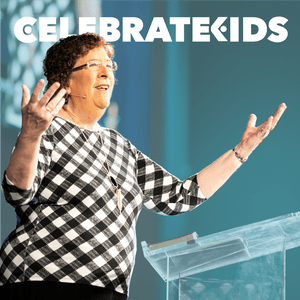
Daily encouragement from a multitude of speakers, led by Dr. Kathy Koch. All topics covered are helpful not only to kids and their parents, but also to single adults, married couples, teachers, social workers, pastors, and many more. We hope you can be encouraged through these messages, send it to a friend so they can join you in joy and growth!
Podcast websiteListen to Celebrate Kids Podcast with Dr. Kathy, Bishop Mosa Sono and many other podcasts from around the world with the radio.net app
Get the free radio.net app
- Stations and podcasts to bookmark
- Stream via Wi-Fi or Bluetooth
- Supports Carplay & Android Auto
- Many other app features
Get the free radio.net app
- Stations and podcasts to bookmark
- Stream via Wi-Fi or Bluetooth
- Supports Carplay & Android Auto
- Many other app features

Celebrate Kids Podcast with Dr. Kathy
Scan code,
download the app,
start listening.
download the app,
start listening.
 South Africa