
Listen to this podcast for free in the app: Download for free in the App Store
radio.net
Sleep timer
Save favourites
125 episodes
Dry Side Dispatch • October 16 • Robert Crain
2026/10/22 | 1h 29 mins.We are proud to bring you our local radio show, The Dry Side Dispatch. All past episodoes of the radio show are available on the Sandhills Area Research Association You Tube channel. You can also listen live via the YouTube chanel on Friday's at Noon. All future episodes will now be included on this platform and the Sandhills Area Research Association's website.
The Dry Side Dispatch is a West Texas radio show and media project from the Sandhills Area Research Association broadcast live on KRFE 95.9 FM. Hosted by Tillery Timmons-Sims, Andy Timmons, and Dusty Timmons, the program focuses on regional agriculture, land conservation, hunting, oil and gas, and local news.
This episode of Dry Side Dispatch features Robert Crain of Texas Pacific Water discussing the growing challenge—and potential opportunity—of produced water from oil and gas operations in the Permian Basin. Crain explains how his team developed a freeze-distillation process to remove salts from extremely saline produced water, followed by reverse osmosis and other treatment steps to create water clean enough for beneficial reuse.
The conversation explores how treated produced water could reduce underground disposal, help restore flows in the Pecos River, support agriculture, and potentially recharge depleted aquifers such as the Ogallala. Crain also discusses regulatory hurdles, aging “zombie” wells, the economics of water treatment, and the need to pair new water supplies with more efficient irrigation and long-term conservation practices.Fighting for the Family Farm: The American Agriculture Movement and the Legacy of Farm Aid
2026/10/20 | 45 mins.Tillery Timmons-Sims visits with David Senter of the American Agriculture Movement to talk about the history of farmer-led advocacy, the rise of AAM in the late 1970s, and the grassroots efforts that brought thousands of farmers to Washington, D.C. David shares the story of the Tractorcade, the fight for fair prices, and the policies farmers pushed for to protect family agriculture.
The conversation also explores the farm crisis of the 1980s, the founding of Farm Aid, the Farm and Ranch Congress, and the ongoing challenges family farmers face today, from low commodity prices and high input costs to land loss, data centers, and corporate consolidation. It’s a powerful reminder that the fight for family farmers is not just history — it is still happening.
More about our guest:
David Senter President of the American Agriculture Movement
Email: aamincpresident@gmail.com
For more information about SARA, please visit sara-conservation.com
Support the Conservation Stories Podcast
Follow SARA for more updates • Instagram • Facebook • LinkedIn • X/Twitter
Conservation Stories is presented by The Sandhills Area Research Association (SARA). Subscribe now to hear all the interviews.Dry Side Dispatch • October 9th • Duane Lucia
2026/10/16 | 1h 30 mins.We are proud to bring you our local radio show, The Dry Side Dispatch. All past episodoes of the radio show are available on the Sandhills Area Research Association You Tube channel. You can also listen live via the YouTube chanel on Friday's at Noon. All future episodes will now be included on this platform and the Sandhills Area Research Association's website.
The Dry Side Dispatch is a West Texas radio show and media project from the Sandhills Area Research Association broadcast live on KRFE 95.9 FM. Hosted by Tillery Timmons-Sims, Andy Timmons, and Dusty Timmons, the program focuses on regional agriculture, land conservation, hunting, oil and gas, and local news
This episode of Dry Side Dispatch features U.S. Fish and Wildlife Service biologist Duane Lucia discussing wildfire response, prescribed fire, and land restoration across Texas and the Great Plains. The conversation covers current funding for fuel reduction, invasive-species removal, and post-fire recovery, along with Lucia’s work restoring areas affected by major fires such as Smokehouse Creek.
A major theme is the ecological value of fire when it is used strategically. Lucia explains how prescribed burns can reduce dangerous woody fuel, control juniper encroachment, improve grassland and wildlife habitat, and help prevent more destructive fires later. The episode also explores cottonwood restoration, salt cedar control, satellite and remote-sensing technology, and the need for better public understanding of fire as both a management tool and a natural part of healthy grassland ecosystems.Paddle, Fish, Heal: Heroes on the Water and the Power of Community
2026/10/13 | 45 mins.Dusty Timmons visits with Camille Null, director of volunteer programs for Heroes on the Water, to talk about how kayak fishing became a powerful therapeutic outlet for veterans, first responders, and their families. Camille shares the story of how the organization began in 2007 after founder Jim Dolan saw the way time on the water helped injured service members reconnect, relax, and rebuild a sense of community.
The conversation explores the calming effect of being outdoors, the importance of finding support after service or trauma, and how Heroes on the Water’s volunteer-led chapters create safe, welcoming spaces across the country. It’s a moving reminder that healing does not always happen in a clinic — sometimes it starts with a kayak, a fishing rod, and someone willing to make the call.Dry Side Dispatch • October 2nd • Lauren D Garduno with Ports to Plains.
2026/10/09 | 1h 27 mins.We are proud to bring you our local radio show, The Dry Side Dispatch. All past episodoes of the radio show are available on the Sandhills Area Research Association You Tube channel. You can also listen live via the YouTube chanel on Friday's at Noon. All future episodes will now be included on this platform and the Sandhills Area Research Association's website.
The Dry Side Dispatch is a West Texas radio show and media project from the Sandhills Area Research Association broadcast live on KRFE 95.9 FM. Hosted by Tillery Timmons-Sims, Andy Timmons, and Dusty Timmons, the program focuses on regional agriculture, land conservation, hunting, oil and gas, and local news
This episode of Dry Side Dispatch features Lauren Garduno of the Ports-to-Plains Alliance discussing the history, purpose, and future of the Ports-to-Plains corridor. The conversation traces how the project grew out of West Texas transportation needs and NAFTA-era trade, and how the Texas and New Mexico portions were eventually designated as future I-27.
Garduno also looks ahead at what a modern I-27 could become, including smart-highway technology, autonomous vehicle lanes, fiber infrastructure, drone and air-taxi connections, and new freight and energy systems. The episode emphasizes the corridor’s potential to improve trade with Mexico and Canada, strengthen rural economies, relieve traffic on other interstate routes, and create a major north-south transportation link through the Great Plains.
More Business podcasts






Trending Business podcasts













About Conservation Stories
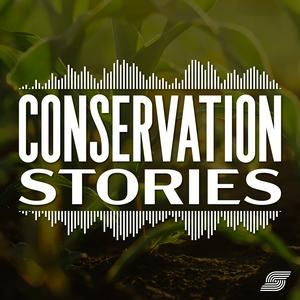
Conservation Stories chronicles the ongoing work of the Sandhills Area Research Association along with old and new friends in the agriculture space.
Podcast websiteListen to Conservation Stories, RSG Geldsake met Moneyweb and many other podcasts from around the world with the radio.net app
Get the free radio.net app
- Stations and podcasts to bookmark
- Stream via Wi-Fi or Bluetooth
- Supports Carplay & Android Auto
- Many other app features
Get the free radio.net app
- Stations and podcasts to bookmark
- Stream via Wi-Fi or Bluetooth
- Supports Carplay & Android Auto
- Many other app features

Conservation Stories
Scan code,
download the app,
start listening.
download the app,
start listening.
 South Africa

